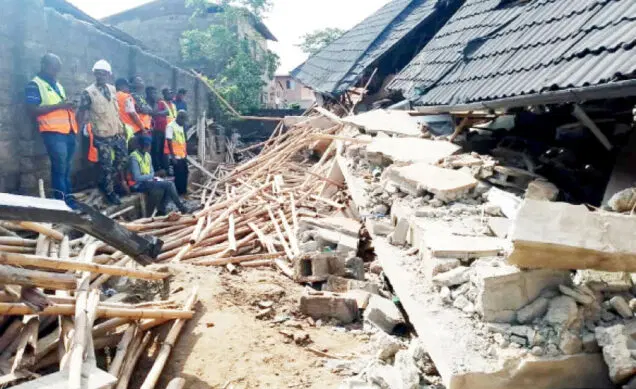
Nigeria continues to record frequent building collapses, with hundreds of lives lost and many others injured in recent years.
The recurring incidents have been linked to poor-quality building materials, weak construction practices, inadequate supervision and poor enforcement of building regulations.
One major concern is the production of substandard blocks with insufficient cement, which can weaken structures and make them vulnerable to water penetration and foundation problems.
Regulatory agencies, including the Standards Organisation of Nigeria, state works ministries and local councils, have responsibilities for enforcing building standards. However, weak enforcement and inadequate penalties have allowed violations to persist.
Stronger measures are needed to hold manufacturers, suppliers, developers and professionals accountable when negligence contributes to building collapses.
The Standards Organisation of Nigeria should also strengthen certification and testing of building materials, while local councils should properly license and inspect block-making sites.
Building approval processes should include regular inspections at key construction stages, including foundation, lintel and roofing, rather than relying mainly on paperwork.
Professional bodies should ensure that builders and other practitioners comply with required standards and sanction members who compromise safety.
The article also calls for stronger planning controls in flood-prone and waterlogged areas, including proper drainage, soil stabilisation and appropriate foundation systems.
Ultimately, preventing building collapses requires stronger enforcement of existing regulations and greater commitment from government agencies, professionals, developers and property owners.





Post comments (0)