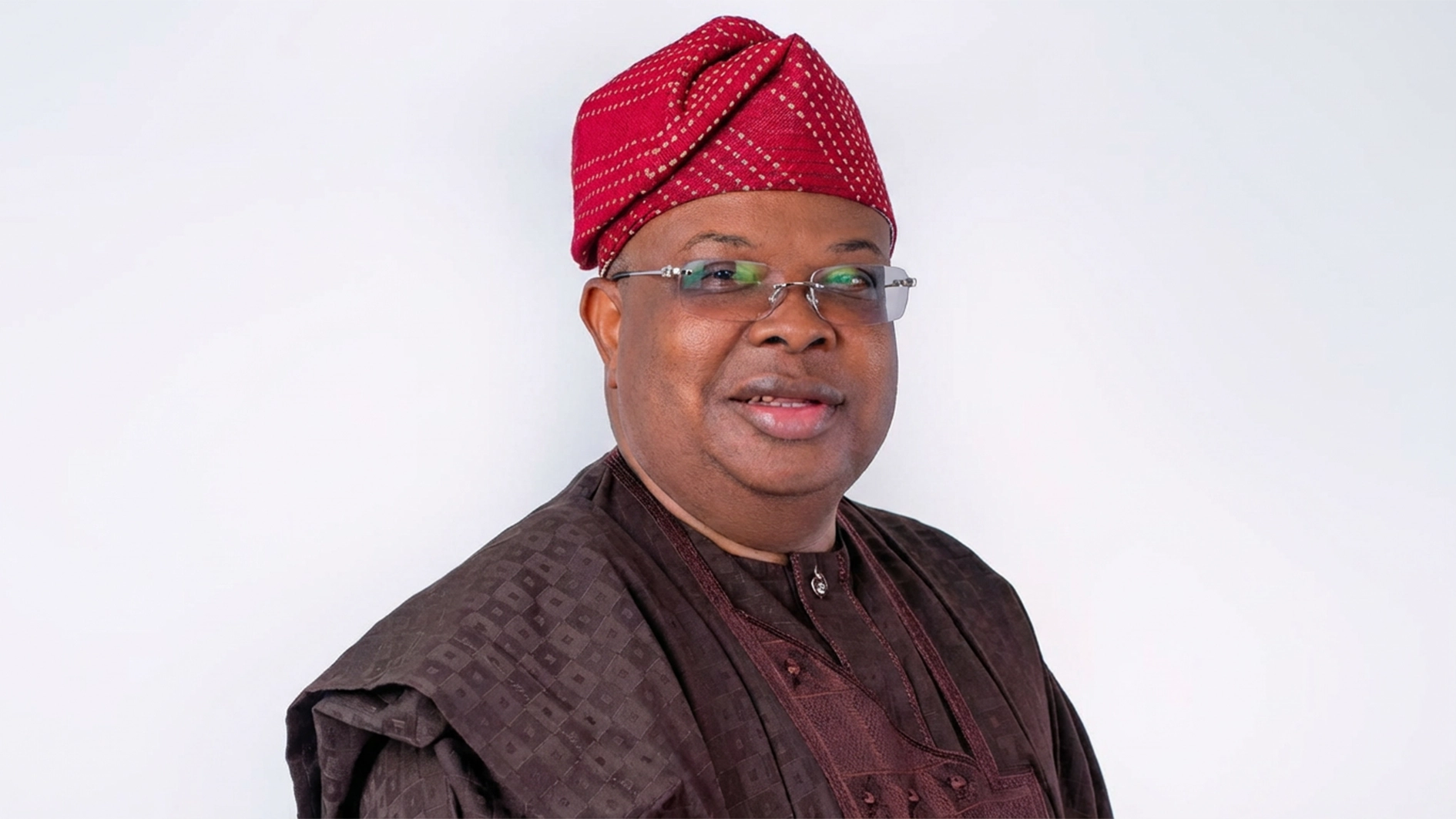
President Bola Ahmed Tinubu has nominated Joseph Tegbe as the new Minister of Power, a move that is subject to confirmation by the Nigerian Senate. The nomination signals a renewed push by the Federal Government to strengthen leadership within the country’s power sector and accelerate reforms aimed at addressing long-standing electricity challenges.
The development reflects the administration’s broader commitment to improving energy infrastructure, stabilizing the national grid, and creating an enabling environment for both local and foreign investment in the electricity value chain. With Nigeria’s power sector facing persistent issues such as inadequate generation, transmission bottlenecks, and distribution inefficiencies, the choice of Tegbe is widely seen as a strategic attempt to inject technical expertise and reform-oriented leadership into the ministry.
Joseph Tegbe, who hails from Oyo State, brings more than three decades of professional experience cutting across public administration, economic policy, and private sector advisory. Known for his strong background in fiscal management and institutional reform, Tegbe has built a career centered on designing and implementing policies that drive economic growth, transparency, and efficiency in governance.
Over the years, he has held several high-profile roles, including serving as Senior Partner and Head of Advisory Services at KPMG Africa. In that capacity, he led major initiatives focused on fiscal policy reform, corporate governance, and institutional transformation across multiple sectors. His work involved advising governments and large organizations on strategies to improve operational effectiveness, strengthen regulatory frameworks, and enhance accountability.
Beyond his private sector accomplishments, Tegbe has also played key roles in government-led initiatives. He currently serves as Director General and Global Liaison for the Nigeria-China Strategic Partnership, where he coordinates development efforts between Nigeria and China. This role places him at the center of strategic international collaborations involving infrastructure development, trade expansion, and investment partnerships.
In addition, he previously chaired the National Tax Policy Implementation Committee, which was established to oversee the rollout of Nigeria’s revised tax framework. Under his leadership, the committee worked on improving tax administration systems, boosting compliance, and strengthening the country’s revenue base through more efficient fiscal policies.
Tegbe’s experience also extends to the power sector, where he has been involved in regulatory and institutional reform efforts. He has worked with key agencies such as the Nigerian Electricity Regulatory Commission and the Nigerian Bulk Electricity Trading Company, contributing to initiatives aimed at improving market structure, regulatory oversight, and overall sector performance. His familiarity with the complexities of Nigeria’s electricity industry is expected to be an asset as he takes on the leadership role.
If confirmed by the Senate, Tegbe will be tasked with advancing critical reforms to ensure more reliable and sustainable electricity supply across the country. His responsibilities will likely include driving policies that enhance generation capacity, modernize transmission infrastructure, and improve distribution networks, while also attracting long-term investment into the sector.
The nomination follows the resignation of Adebayo Adelabu, who stepped down from the position after declaring his intention to contest the 2027 governorship election in Oyo State. His departure was in line with a directive requiring political appointees seeking elective office to vacate their positions, reinforcing the administration’s emphasis on due process and political accountability.
As the confirmation process moves forward, stakeholders within the energy sector and the broader Nigerian economy will be watching closely to see how Tegbe’s experience and policy-driven approach translate into tangible improvements. With electricity supply remaining a critical factor for economic development, industrial growth, and improved quality of life, expectations are high that his leadership could help drive meaningful progress in one of Nigeria’s most vital sectors.





Post comments (0)