If you’ve stepped outside in the last few days and felt like the sun hit a little harder than usual, you’re not imagining it. Nigeria is currently caught between two overlapping weather events, the natural transition from rainy season to dry season, and a developing climate phenomenon meteorologists are calling a “super El Niño.” Together, they’re driving one of the more intense heat periods the country has experienced in recent memory, and experts say it’s important for Nigerians to actually understand what’s happening, not just endure it.
So, what exactly is El Niño?
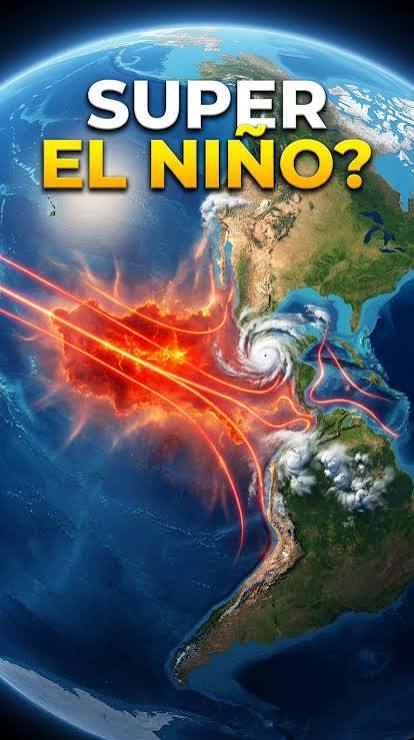
El Niño is a natural climate pattern caused by the unusual warming of ocean surface temperatures in the Pacific. It isn’t a Nigerian phenomenon at all, it originates thousands of kilometres away, but its effects ripple outward, disrupting weather systems across the globe. Depending on the region, El Niño can bring drought to one area and flooding to another, and in Nigeria’s case, it’s currently being felt primarily as abnormally high temperatures.
According to the Nigerian Meteorological Agency (NiMet), what the country is experiencing right now isn’t just an ordinary seasonal shift, it’s a “super El Niño,” a particularly strong version of this pattern, one expected to significantly influence Nigeria’s rainfall patterns in the months ahead.
Why does it feel hotter than usual right now?
Speaking on the development, the Zonal Manager, South West, for NiMet, Mr. Oluwaseyi Ifelaja, explained that Nigeria is currently transitioning from the rainy season into the dry season, a shift that naturally brings warmer temperatures every year. What’s different this time, he noted, is that this normal seasonal warming is being intensified by the developing super El Niño, compounding the heat Nigerians are already used to expecting around this time of year.
In practical terms, that’s why many households have found themselves leaning more heavily on fans and air conditioners in recent days just to stay comfortable indoors, a small but telling sign of how sharply conditions have shifted.
Why this matters more than you might think
This isn’t just a matter of discomfort. A recent projection by the Climate Impact Lab estimated that Nigeria could record as many as 31,400 additional heat-related deaths between September 2026 and February 2027 as a direct result of this intensifying heat, a striking figure that moves this from “uncomfortable weather” into genuine public health territory.
The World Health Organisation backs this concern, explaining that extreme heat places real, measurable stress on the human body. Certain groups face heightened risk during periods like this: older people, young children, individuals living with chronic illnesses, and outdoor workers who have no choice but to remain exposed to the elements for hours at a time.
What you can actually do about it
The good news is that much of the risk can be managed with simple, practical steps. Mr. Ifelaja advised Nigerians to:
– Drink plenty of water throughout the day, even if you don’t feel thirsty
– Avoid prolonged exposure to the sun during peak afternoon hours
– Wear light, breathable clothing rather than heavy or dark fabrics that trap heat
– Keep a close watch on older relatives and young children, who often can’t regulate body temperature as effectively as healthy adults
He also pointed out that the heat isn’t just a human health concern, it carries economic consequences too, particularly for farmers and livestock rearers, since extreme temperatures can affect animal health, productivity, and ultimately, household income.
The bottom line
Whether you’re indoors or out, the advice from experts remains consistent: stay hydrated, keep your surroundings cool and well ventilated, and check in on the vulnerable people around you. As this super El Niño continues to intensify in the weeks ahead, understanding why it’s happening, and taking it seriously, may be one of the simplest but most important things Nigerians can do to protect themselves and their families through this season.



Post comments (0)