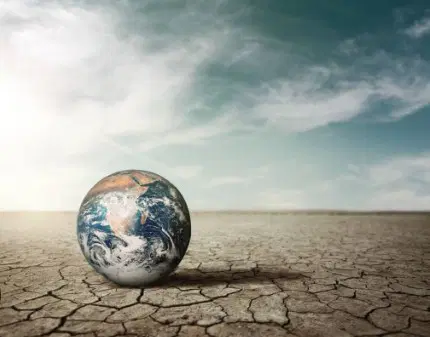
Nigeria may experience increased heat and changing rainfall patterns as a strengthening El Niño event raises concerns about its potential impact on agriculture, water supply, electricity generation and public health.
The World Meteorological Organisation (WMO) said in September 2026 that El Niño was expected to strengthen into a very strong event and persist into early 2027. The Nigerian Meteorological Agency (NiMet) has also warned that the phenomenon could influence rainfall patterns, including the duration and end of the rainy season.
The development has raised concerns about Nigeria’s preparedness for potential climate-related challenges, particularly in vulnerable communities.
What Is El Niño?
El Niño is a natural climate phenomenon characterised by warmer-than-average sea surface temperatures in the central and eastern tropical Pacific Ocean.
The warming affects atmospheric circulation and can alter weather patterns across different parts of the world, contributing to higher temperatures, changes in rainfall and shifts in seasonal conditions.
El Niño is part of the El Niño-Southern Oscillation, a climate pattern that also includes La Niña, its cooler phase, and neutral conditions.
According to the WMO, El Niño typically occurs every two to seven years and lasts between nine and 12 months. Although it develops far from Nigeria, its influence on global atmospheric circulation can affect weather conditions in West Africa.
However, its effects vary by location and do not automatically mean that every part of Nigeria will experience drought or extreme heat.
Potential Impact on Nigeria
1. Increased Heat and Health Risks
One major concern is the possibility of higher temperatures and their implications for public health.
The Climate Impact Lab projected in October 2026 that Nigeria could record an additional 31,400 heat-related deaths between September 2026 and February 2027 compared with an average year.
The figure is a model-based estimate of potential excess deaths, not a confirmed death toll or a guarantee that the deaths will occur.
Extreme heat can cause dehydration, heat exhaustion and potentially fatal heatstroke, particularly among children, older people and outdoor workers.
Health authorities are therefore encouraged to strengthen public awareness campaigns, issue timely heat warnings and prepare health facilities to manage heat-related emergencies.
Residents can reduce their exposure by drinking sufficient water, seeking shade and limiting strenuous outdoor activities during the hottest periods of the day.
2. Threat to Agriculture and Food Production
Changes in rainfall patterns could disrupt farming activities, affect planting schedules and reduce crop yields.
Prolonged dry spells or an early end to the rainy season could damage crops, while excessive rainfall could cause flooding and destroy farmland.
NiMet has identified possible agricultural risks in areas expecting below-normal rainfall, including parts of Borno and Yobe states.
Farmers are advised to monitor weather forecasts, consider early-maturing or drought-tolerant crop varieties where appropriate and seek guidance from agricultural extension officers.
In areas expecting heavy rainfall, proper drainage could also help minimise damage to farms.
3. Water Supply and Electricity Generation
Prolonged rainfall deficits could reduce river flows, reservoir levels and groundwater recharge, potentially affecting domestic water supplies and irrigation.
Hydropower generation could also come under pressure if water inflows into dams decline.
NiMet has identified reduced water availability and lower reservoir inflows as potential risks, although these projections do not confirm nationwide water shortages or electricity disruptions.
Water authorities should monitor reservoirs and groundwater levels, identify vulnerable communities and develop contingency plans to address possible shortages.
Residents can also help conserve available water by repairing leaking taps and avoiding unnecessary waste.
4. Possible Increase in Food Prices
Adverse weather conditions could affect agricultural production, damage crops and disrupt the transportation of farm produce, potentially putting pressure on food supplies and prices.
However, El Niño alone does not guarantee an increase in food prices nationwide. Harvest levels, storage facilities, transportation costs and wider market conditions will also influence food prices.
Government agencies can help reduce potential losses by supporting farmers in vulnerable areas and strengthening food storage and distribution systems.
How Nigeria Can Prepare
Preparing for the potential effects of El Niño requires coordinated action by government agencies, state authorities, farmers, health workers and residents.
NiMet should continue providing timely, location-specific weather forecasts and ensure that warnings reach rural communities and farmers, including those without reliable internet access.
Health authorities should intensify public education on heat-related illnesses and strengthen emergency responses, particularly for vulnerable groups.
Agricultural ministries and extension officers should provide farmers with practical guidance on planting schedules, crop selection, irrigation and drainage based on updated weather forecasts.
Water agencies should monitor dams and reservoirs, reduce distribution losses and develop plans for communities that may face shortages.
Authorities must also prepare for excessive rainfall and flooding rather than focusing exclusively on drought.
Broadcasters and journalists have an important role in communicating climate information accurately, distinguishing projections from confirmed events and keeping the public informed as conditions change.
Does El Niño Mean Disaster for Nigeria?
El Niño does not automatically mean disaster for Nigeria. Although the phenomenon can increase the likelihood of certain climate-related impacts, its effects vary across regions and depend on local weather conditions and other climate factors.
Nigeria’s priority should be to identify communities most vulnerable to extreme heat and changing rainfall patterns and take preventive measures before conditions worsen.
Regular weather updates, early warnings, public awareness and appropriate planning could help reduce the risks to public health, agriculture, water resources and electricity generation.
Ultimately, the challenge is not only how strong El Niño becomes, but also how effectively Nigeria prepares for its potential consequences.


Post comments (0)