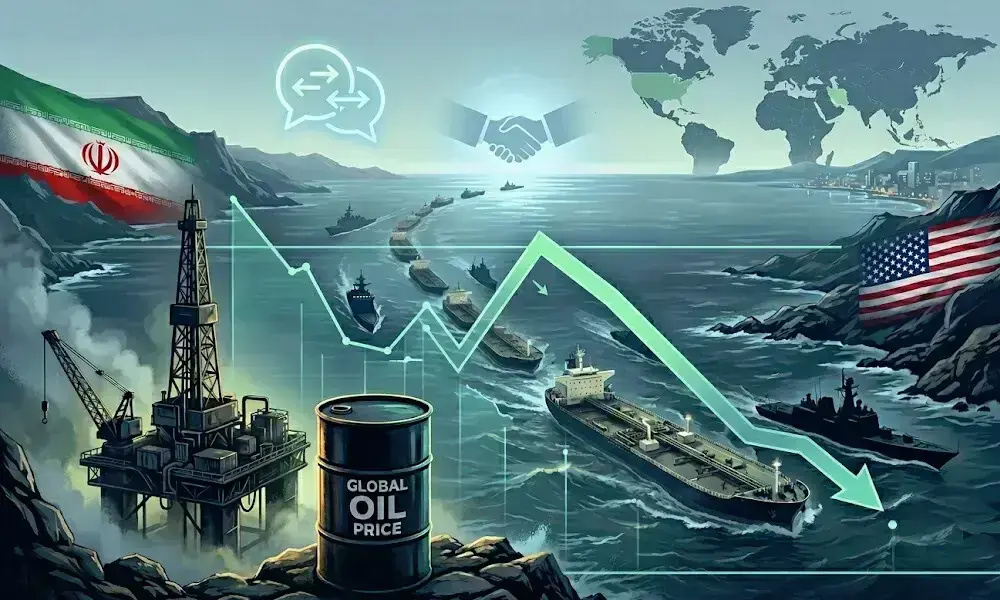
The renewed closure of the Strait of Hormuz by Iran has dampened expectations of an imminent drop in fuel prices in Nigeria, reversing earlier optimism within the downstream petroleum sector.
The strategic waterway, which is a vital route for global oil shipments, had briefly reopened following a ceasefire agreement between Iran and the United States. The reopening had sparked hope among industry stakeholders that crude oil prices would fall significantly, potentially leading to a reduction in petrol prices locally.
However, within 24 hours, Iran announced the reclosure of the strait, citing ongoing restrictions on its ports as justification for the move. The development has raised fresh concerns about the stability of global oil supply, as roughly 20 per cent of the world’s traded crude passes through the narrow channel.
Reports indicate heightened tensions in the area, with Iranian military forces asserting control over the waterway and warning vessels navigating the route. The situation has created uncertainty in international oil markets, although price fluctuations have remained relatively moderate so far.
Prior to the latest development, fuel marketers in Nigeria had projected that petrol prices could drop sharply—from around ₦1,250 per litre to approximately ₦900—if the ceasefire held and oil supply routes remained open. The temporary reopening had briefly triggered a decline in crude oil prices, reinforcing expectations of relief for consumers.
Industry stakeholders had pointed out that petrol prices were significantly lower earlier in the year, before the escalation of tensions in the Middle East. With the crisis initially easing, many anticipated a return to that price range. However, the renewed disruption has stalled those projections.
Market analysts now suggest that fuel prices are likely to remain at current levels for the time being, pending further diplomatic progress between Iran and the United States. The uncertainty surrounding the ceasefire and the status of the Strait of Hormuz continues to play a critical role in shaping global oil prices and, by extension, domestic fuel costs.
Meanwhile, Donald Trump has accused Iran of violating the ceasefire agreement by engaging in hostile actions within the strait. He warned that failure to reach a lasting resolution could prompt further escalation, including potential strikes on Iranian infrastructure.
Despite the renewed tensions, global oil benchmarks have shown only modest increases. Brent crude oil has hovered around the $90 per barrel mark, compared to slightly lower levels prior to the reclosure, indicating that markets are cautiously reacting to the unfolding situation rather than panicking.
Diplomatic efforts are expected to continue, with negotiations aimed at sustaining the ceasefire and stabilizing the region. Observers note that any lasting agreement would be crucial not only for global energy security but also for easing economic pressures in oil-dependent countries like Nigeria.




Post comments (0)