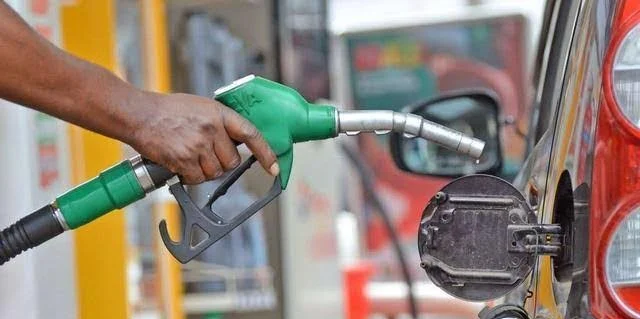
The Federal Government has disclosed that local petrol production has increased from virtually zero in 2023 to about 48 million litres per day.
Special Adviser to the President on Oil and Gas, Olu Verheijen, made the disclosure while speaking on the theme, “Energy in Nigeria: From Potential to Reality,” at the Nigerian-British Chamber of Commerce Energy Day 2026.
Verheijen said that, for the first time in a generation, the majority of the petrol consumed in Nigeria is now refined locally. She noted that increased domestic refining has reduced pressure on foreign exchange demand and contributed to greater currency stability.
According to her, petrol imports declined significantly, falling from about N2.3 trillion in the first quarter of 2025 to less than N90 billion a year later.
She explained that every reduction in fuel importation lowers demand for scarce foreign exchange, helping to strengthen the Naira and improve energy security.
On crude oil and condensate production, Verheijen said Nigeria had restored investor confidence, with average production reaching 1.64 million barrels per day in 2025. She noted that this represents an increase of roughly 400,000 barrels per day since 2023 and marks the highest onshore production level recorded in two decades.
She also revealed that more than four billion dollars in international oil company divestments had been concluded, a development she said has deepened indigenous participation in onshore operations while enabling major oil firms to focus on deep-water and integrated gas projects.
Verheijen stated that every additional barrel of oil produced contributes to government revenue, job creation, and economic growth.
Reflecting on the state of the sector in 2023, she said it was under severe strain, with fuel subsidies becoming fiscally unsustainable, foreign exchange distortions discouraging investment, production levels remaining below potential, and power-sector debt affecting the gas-to-power value chain.
She said the administration’s initial priority was to stabilise the sector and rebuild its foundations through key reforms, including the removal of fuel subsidies and exchange-rate adjustments.
According to her, the reforms have improved fiscal performance, with total federation revenue rising to about N21 trillion in 2024 from approximately N12 trillion in 2023.
She added that despite fuel market deregulation, the government has succeeded in preventing the widespread petrol shortages and long queues that previously characterised periods of scarcity.





Post comments (0)