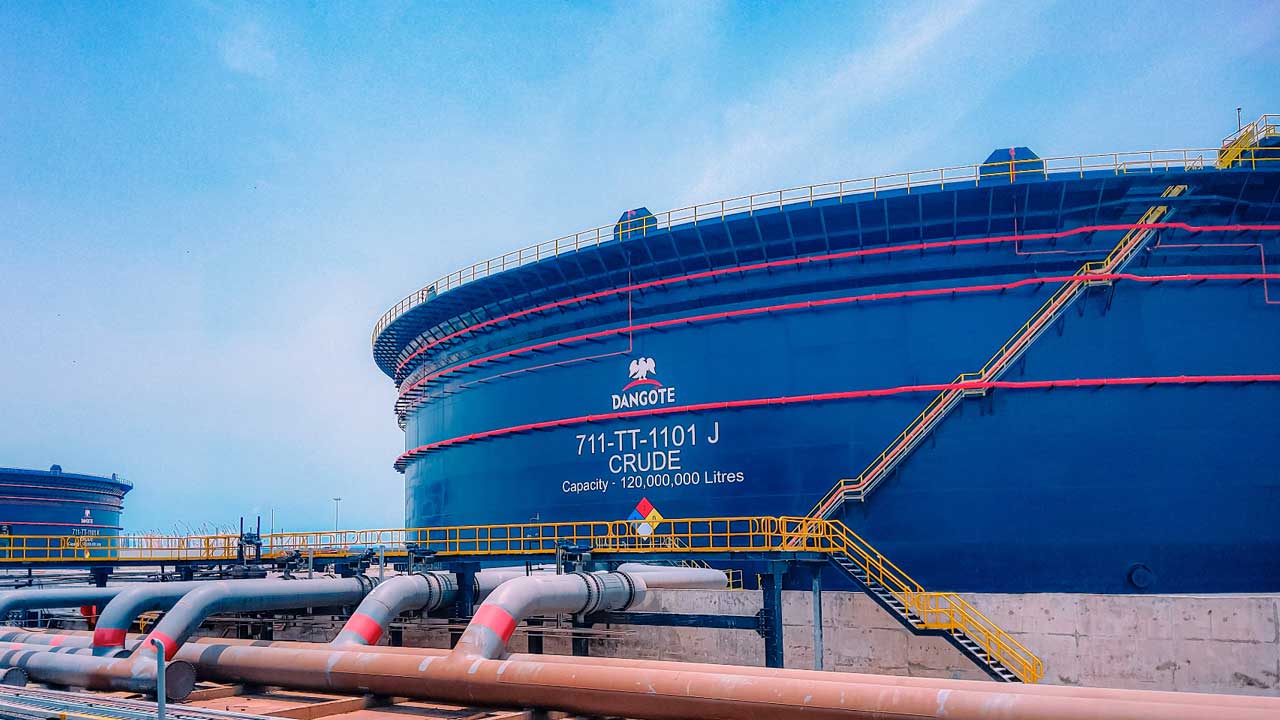
The retail price of Premium Motor Spirit (PMS), commonly known as petrol, may soon increase to between N980 and above N1,000 per litre across different parts of the country, following a fresh upward review of the gantry price by the Dangote Petroleum Refinery.
Industry stakeholders indicated that the final pump price will depend largely on transportation costs, distribution logistics, and distance from supply depots. The adjustment comes after the refinery raised its ex-depot price from N774 to N874 per litre, citing volatility in global crude oil markets and rising replacement costs.
According to marketers, the increase at the gantry level has already begun reflecting across the downstream value chain, with depots and filling stations recalibrating their prices in response to the new benchmark. Several depot owners reportedly suspended petrol sales temporarily to reassess their cost positions and avoid selling below replacement value amid sharp fluctuations in crude prices.
The price review followed a brief suspension of petrol loading operations at the refinery, even as the supply of Automotive Gas Oil (diesel) continued uninterrupted. The pause in PMS loading occurred against the backdrop of crude oil prices surging above $80 per barrel, raising concerns about input costs for refiners.
Petroleum marketers have explained that the new pump price range of N980 to over N1,000 per litre is largely a reflection of global market dynamics rather than domestic supply shortages. They stressed that logistics, haulage, and regional supply factors will ultimately determine the retail price consumers pay in various states.
The development coincides with renewed volatility in the international oil market triggered by escalating tensions between the United States, Israel, and Iran. The crisis has heightened fears of potential supply disruptions around the Strait of Hormuz, a strategic global shipping route through which a significant portion of the world’s crude oil passes.
Analysts warn that if crude oil prices climb toward or exceed $90 per barrel, Nigeria could experience further increases in both petrol and diesel prices, despite recent gains in domestic refining capacity. Rising shipping and insurance premiums linked to geopolitical risks are also expected to exert additional pressure on landing costs for refined products.
Global financial institutions have projected that Brent crude could surge significantly if the Middle East conflict becomes prolonged and begins to materially disrupt oil flows. Market observers note that sustained hostilities could constrain output from Gulf producers if storage facilities become saturated or if maritime transport is severely affected.
Oil prices reacted sharply to the latest developments, with Brent crude rising to nearly $80 per barrel and West Texas Intermediate climbing above $72. The spike followed coordinated military actions targeting Iranian missile facilities and command centres, reportedly resulting in the deaths of senior Iranian officials, including Ayatollah Ali Khamenei. Iran subsequently launched retaliatory missile and drone strikes targeting Israeli and U.S. interests across the Persian Gulf region.
Beyond developments in the energy sector, President of the Dangote Group, Aliko Dangote, has unveiled broader plans to expand investments in electricity generation, steel production, and port infrastructure. The initiatives are part of a long-term strategy aimed at accelerating industrialisation across Africa and strengthening domestic energy security.
Industry experts believe that while Nigeria’s refining capacity has improved, the country remains exposed to global crude price movements, given the linkage between domestic fuel pricing and international oil benchmarks. As the geopolitical situation evolves, stakeholders anticipate continued volatility in petroleum pricing, with consumers likely to feel the impact at the pump in the coming days.




Post comments (0)