Dignitaries from across Nigeria and beyond gathered in Abuja on Friday to mark the 50th anniversary of the assassination of former Head of State, Murtala Muhammed.
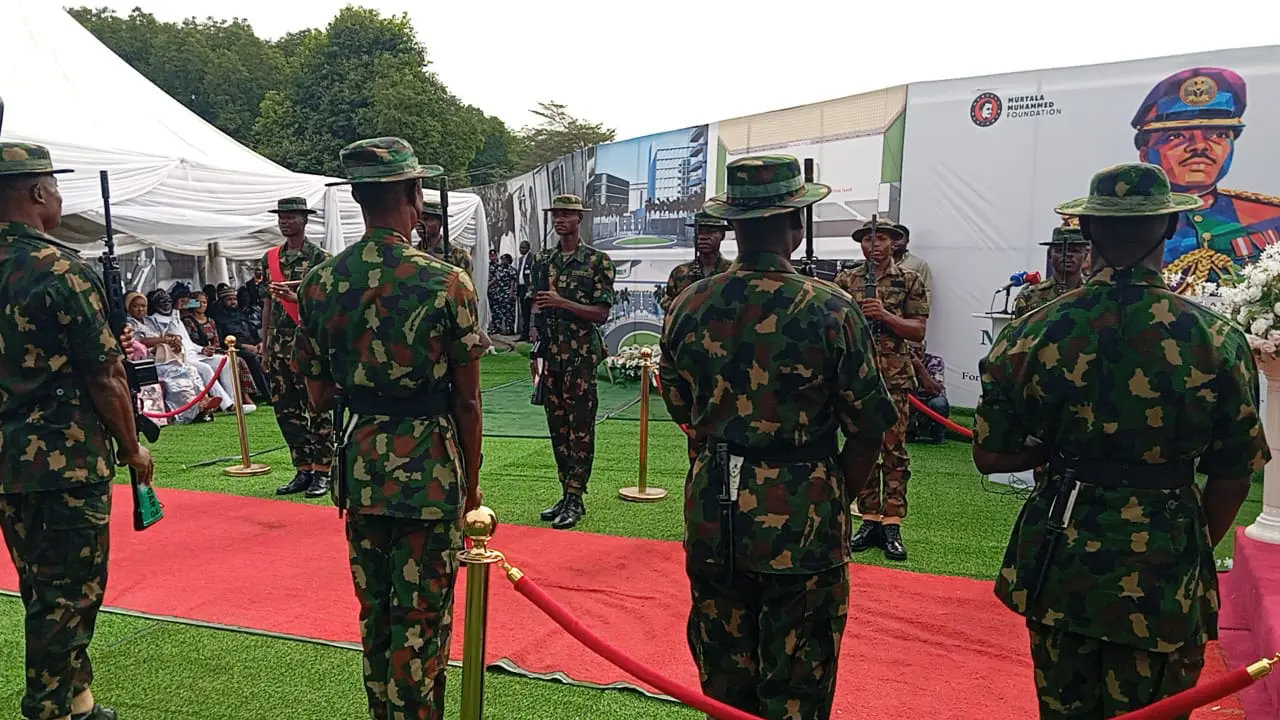
The solemn event brought together government officials, diplomats, military officers, and other prominent personalities who paid tribute to the late military leader’s legacy and contributions to Nigeria’s development. The commemoration featured ceremonial activities, including the laying of wreaths by members of the Armed Forces of Nigeria and other dignitaries in honour of the fallen leader.
Murtala Muhammed was assassinated on February 13, 1976, in Lagos during a failed coup attempt. He was killed alongside several of his aides while on his way to work, in an incident that marked a turning point in Nigeria’s political history.
The anniversary ceremony served as an opportunity for leaders and stakeholders to reflect on his brief but impactful tenure. Muhammed, who ruled Nigeria for 201 days, is widely remembered for his decisive leadership, commitment to national unity, and efforts to reform governance and public institutions.
Among those present at the event was Ibrahim Gambari, a respected diplomat and former Chief of Staff to former President Muhammadu Buhari. Also in attendance was Jose Zau, the Ambassador of Angola to Nigeria, who joined other dignitaries in honouring Muhammed’s memory.
Military personnel conducted ceremonial observances as part of the remembrance, highlighting the continued respect and recognition accorded to the late leader within the armed forces and the nation at large.
Speakers at the event emphasized Muhammed’s enduring influence on Nigeria’s political and military institutions, noting that his leadership style, discipline, and reform-driven agenda continue to inspire generations of Nigerians.
The commemoration also underscored the importance of preserving the legacy of past leaders who played significant roles in shaping the country’s history. Attendees described the late Head of State as a symbol of courage, patriotism, and national service.
The anniversary observance reaffirmed Nigeria’s commitment to honouring its past leaders while reflecting on the lessons of history in strengthening democratic governance, unity, and national progress.




Post comments (0)