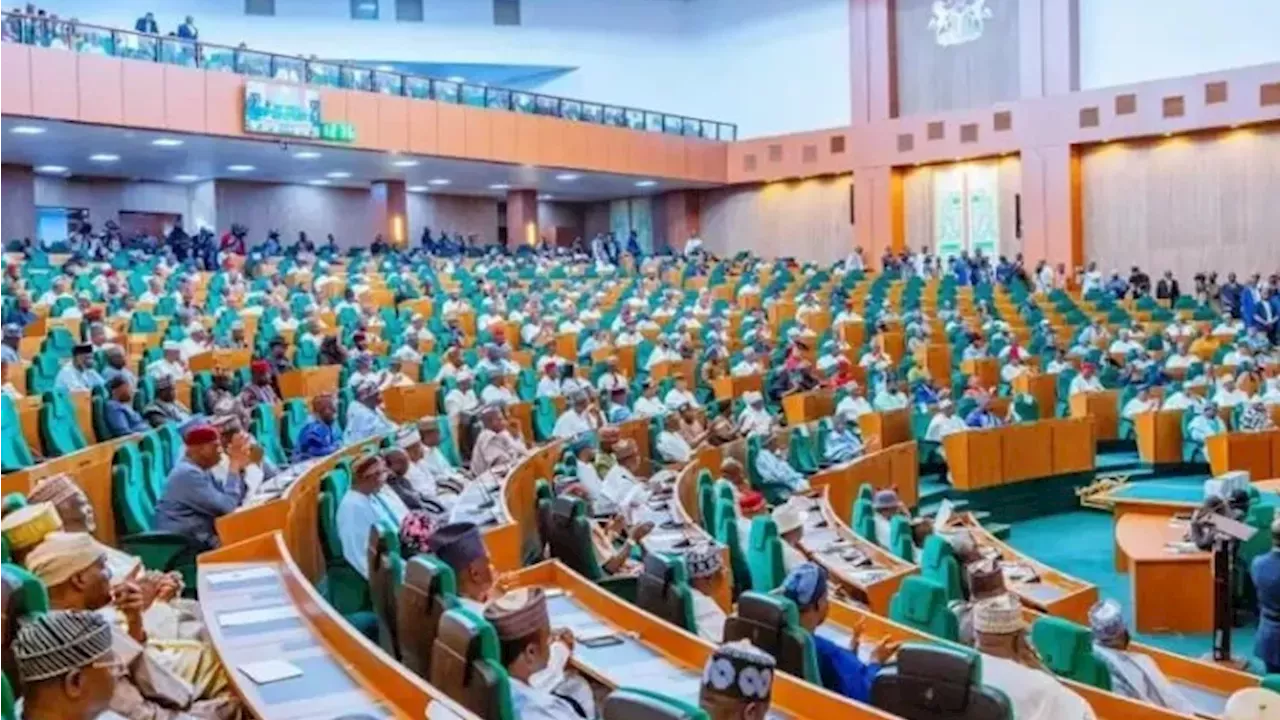
Members of the House of Representatives have disagreed over a proposal seeking the cancellation of outstanding loans obtained by Nigerian farmers under government-backed agricultural intervention programmes. The motion, moved on Wednesday by Inuwa Garba, who represents Yamaltu/Deba Federal Constituency of Gombe State, called for a waiver of the loans due to insecurity, flooding, drought, climate change and economic hardship affecting agricultural activities. Garba argued that many farmers had suffered crop failures, lost investments and reduced incomes, making it difficult for them to meet their repayment obligations.
However, opposing a blanket cancellation, Bamidele Salam, representing Ede South/Ede North/Ejigbo/Egbedore Federal Constituency of Osun State, said an audit report by the Auditor-General for the Federation had exposed widespread abuse of the agricultural loan schemes. He alleged that beneficiaries diverted more than N1 trillion obtained under the Anchor Borrowers’ Programme into businesses and property acquisitions unrelated to farming. He also disclosed that the Bank of Agriculture had become virtually inactive due to N795 billion in loans allegedly diverted by beneficiaries. Other lawmakers, including Isiaka Ibrahim and Paul Kalejaiye, called for a thorough investigation to identify genuine farmers who deserve relief.
The disagreement prevented the House from reaching a decision on the proposed loan cancellation, prompting lawmakers to postpone further consideration until Tuesday, November 24. While supporters of the motion insist that debt relief would protect struggling farmers and strengthen food production, opponents argue that granting a blanket waiver without investigating how the funds were used could encourage misuse of public resources and undermine future agricultural intervention programmes.



Post comments (0)