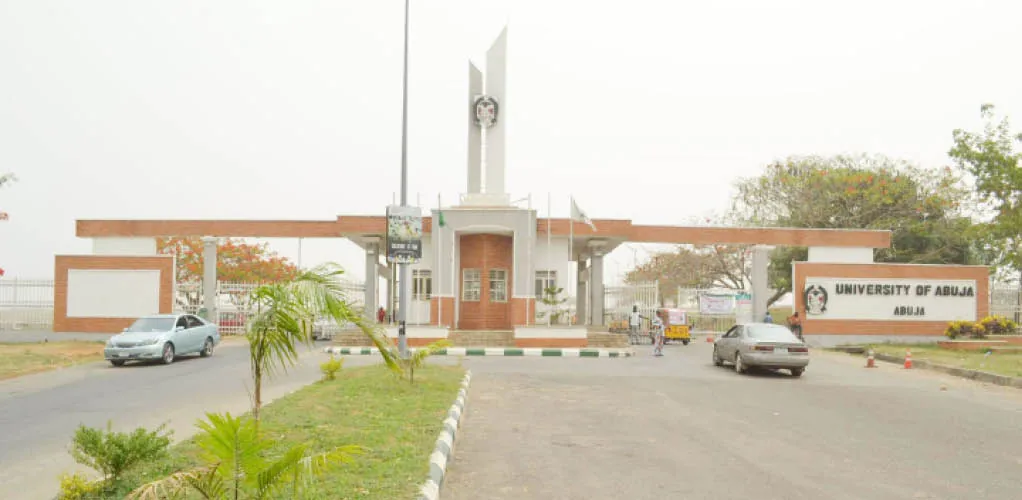
Concerns have emerged over the reported allocation of portions of land belonging to the University of Abuja to private developers and individuals by the Federal Capital Territory Administration (FCTA).
The development has drawn criticism from the Academic Staff Union of Universities (ASUU), civil society organisations and education stakeholders, who have raised concerns about the institution’s future expansion and the alleged disregard for a subsisting court order.
The University of Abuja chapter of ASUU alleged that the FCTA allocated parts of the university’s land on September 26, 2026, despite an interlocutory injunction issued on August 18 by Justice F.E. Messiri of the Maitama High Court, restraining the FCT Minister, Nyesom Wike, from encroaching on the property.
Speaking at a media briefing, the ASUU branch chairman, Professor Sylvanus Ugoh, described the alleged allocation as a breach of the rule of law, insisting that the land was a Federal Government asset held in trust for Nigerians.
Ugoh said the university was established in 1988 with an initial allocation of 11,824 hectares in the Giri District to accommodate its long-term academic, research and infrastructural needs.
He argued that undeveloped portions of the land were reserved for future expansion, including research centres, agricultural projects, student accommodation and other facilities. The union also warned that industrial harmony at the institution could no longer be guaranteed if the allocations were not reversed.
The dispute dates back to June 2025, when Wike announced that the FCTA had recovered 7,000 hectares out of approximately 11,000 hectares he said the university had occupied without proper documentation. He subsequently disclosed that 4,000 hectares would be retained for the institution, while the remaining portion would be recovered for other purposes.
Reacting to the latest controversy, the Civil Society Legislative Advocacy Centre (CISLAC) called for the suspension of further allocations and development activities on the disputed land pending an independent review. Its Executive Director, Auwal Musa Rafsanjani, said the matter raised concerns about transparency, due process and the protection of publ




Post comments (0)