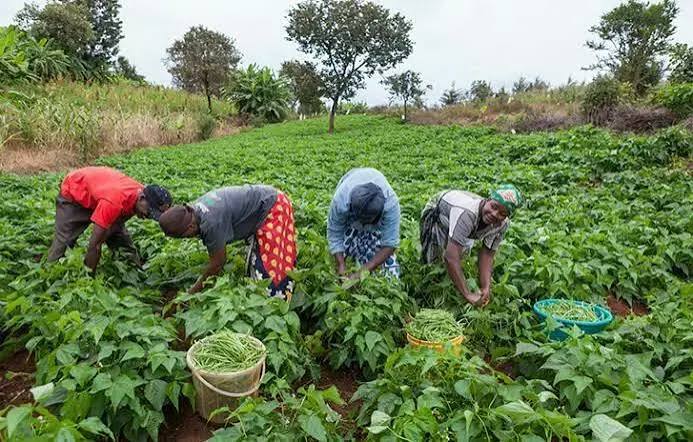
Nigeria’s food system is facing growing threats from climate change, with erratic rainfall, prolonged dry spells, flooding, rising temperatures, pests and diseases disrupting farming activities and causing significant losses for farmers.
Farmers and agricultural experts said the changing weather patterns were affecting planting calendars, reducing crop yields and discouraging investment in agriculture. They also warned that the situation could worsen food insecurity and increase the cost of food production.
The Nigerian Meteorological Agency, NiMet, in its 2026 Seasonal Climate Prediction, projected significant variations in rainfall across the country. While normal annual rainfall is expected in most areas, above-normal rainfall is forecast in parts of the North, South-East, South-South and the Federal Capital Territory, while below-normal rainfall is expected in parts of Katsina, Zamfara, Kwara, Oyo and Ogun states.
NiMet also warned of possible dry spells in several states, raising concerns about disruptions to planting and crop development.
The Chairman of the All Farmers Association of Nigeria, Dr Nkechi Okafor, described climate change as a major threat to food production, saying Nigerian farmers were already recording losses running into billions of naira.
She called for greater investment in irrigation, climate-smart farming, farmer training and all-year-round agricultural systems to reduce dependence on rainfall.
Farmers also reported substantial losses from flooding and prolonged dry spells. Some said they had lost between 30 and 50 per cent of expected harvests in difficult seasons, despite spending hundreds of thousands of naira per hectare on inputs, labour and land preparation.
Agricultural experts said crops including maize, rice, sorghum, millet and cassava were increasingly vulnerable to extreme weather conditions, while pests, diseases, soil degradation and rising temperatures were adding to the challenges.
They called for the adoption of drought- and flood-resistant crop varieties, improved irrigation, better drainage, conservation agriculture, crop diversification and stronger weather information and extension services.
ActionAid Nigeria Country Director, Dr Andrew Mamedu, said climate change was already affecting millions of smallholder farmers, particularly women, and urged the government to move from reactive interventions to a coordinated and adequately funded climate-resilience strategy.
He also called for greater investment in rural infrastructure, storage, processing facilities, agricultural insurance and affordable financing to help farmers manage climate-related risks.
The Global Head of Agricultural Risk at Leadway Assurance, Ayoola Fatona, urged farmers to include insurance among their key farm inputs, saying crop and farm insurance could help reduce the financial impact of floods, drought and other climate-related shocks.
Experts stressed that strengthening the resilience of farmers and agricultural systems would be essential to protecting Nigeria’s food supply and reducing the impact of climate change on food prices.



Post comments (0)