Nigeria flared approximately 76.92 billion standard cubic feet (SCF) of natural gas between January and May 2026, despite growing domestic demand for cleaner energy and a sharp increase in the cost of Liquefied Petroleum Gas (LPG), commonly used for cooking.
Latest figures released by the Nigerian Upstream Petroleum Regulatory Commission show that oil and gas operators burnt a total of 76.92 billion standard cubic feet of associated gas during the five-month period, raising fresh concerns over energy waste, environmental pollution and the country’s ability to maximise its vast natural gas resources.
The volume of gas flared represents energy that could have been harnessed for electricity generation, industrial production, compressed natural gas (CNG) programmes, petrochemical industries and domestic cooking gas supply at a time when many Nigerians are grappling with soaring energy costs.
According to the commission’s monthly gas production reports, about 17.17 billion standard cubic feet of gas were flared in January, accounting for 7.1 per cent of the country’s total gas production for the month. The volume declined to 14.09 billion standard cubic feet in February, representing 6.44 per cent of total production.
In March, operators flared approximately 15.58 billion standard cubic feet of gas, equivalent to 6.4 per cent of total output, while April recorded about 14.52 billion standard cubic feet, although the flare ratio increased slightly to 6.94 per cent.
The report further showed that Nigeria flared an average of about 570 million standard cubic feet of gas per day in May, amounting to nearly 15.58 billion standard cubic feet for the month. The flare rate stood at 6.9 per cent of total gas production.
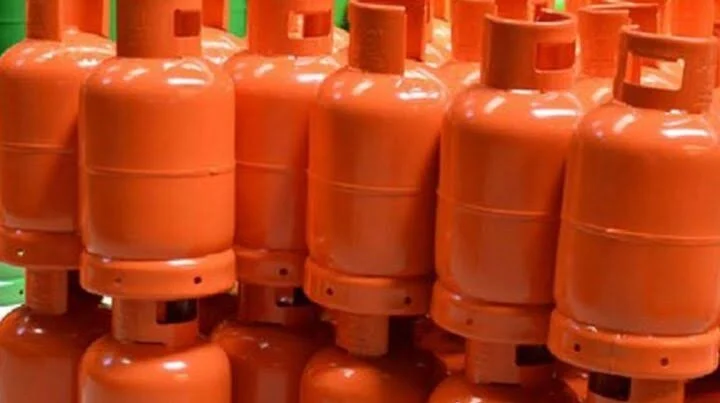
The continued flaring comes at a period when households and businesses across the country are battling rising cooking gas prices. Industry operators report that the average retail price of LPG, which sold for around ₦1,000 per kilogramme earlier in the year, has climbed to as high as ₦2,400 per kilogramme in several parts of the country.
Stakeholders in the gas industry have attributed the price increase to supply constraints in the domestic market, explaining that local production has not been sufficient to satisfy growing demand.
Industry sources also noted that the recent reduction in LPG supply from the Dangote Petroleum Refinery is linked to increased internal utilisation of gas for refining operations rather than exports, contrary to widespread speculation.
Nigeria possesses more than 200 trillion cubic feet of proven natural gas reserves—the largest in Africa—yet a significant portion of associated gas produced alongside crude oil continues to be burnt at production sites instead of being captured for commercial use.
Energy analysts have repeatedly argued that reducing gas flaring could substantially improve domestic gas availability, support industrial growth, expand electricity generation, increase access to cleaner cooking fuel, and accelerate the Federal Government’s Decade of Gas initiative.
Despite the continued flaring, the NUPRC reported an improvement in overall gas production. According to the commission, Nigeria’s average daily gas production rose to approximately 7.93 billion cubic feet per day in May, reflecting increased upstream output.
The commission maintained that the current flare rate demonstrates gradual progress towards Nigeria’s target of ending routine gas flaring by 2030, in line with the country’s climate commitments under the Paris Agreement.
As part of efforts to reduce gas wastage, the Federal Government continues to implement the Nigerian Gas Flare Commercialisation Programme, an initiative designed to convert previously flared gas into commercially viable products such as Liquefied Petroleum Gas (LPG), Compressed Natural Gas (CNG), electricity, fertiliser feedstock and other industrial products.
The programme is also expected to attract billions of dollars in private investment, create employment opportunities and significantly reduce greenhouse gas emissions from Nigeria’s oil-producing communities.
However, experts say the pace of implementation remains slow.
Commenting on the latest figures, Professor of Energy at the University of Lagos, Dayo Ayoade, described the continued volume of gas flaring as disappointing, noting that successive governments have introduced several policies aimed at eliminating the practice.
According to him, Nigeria has made significant policy progress through the enactment of the Petroleum Industry Act (PIA) 2021, the Nigerian Gas Flare Commercialisation Programme, the National Gas Policy, and the Decade of Gas initiative. However, he said implementation has not kept pace with policy ambitions.
Ayoade explained that although the Petroleum Industry Act introduced penalties for gas flaring and incentives for gas utilisation projects, the persistence of routine flaring indicates that enforcement remains inadequate.
He also pointed to infrastructural deficiencies as one of the biggest barriers to ending gas flaring, explaining that many oil fields, particularly smaller and remote production sites, lack the pipelines, gas gathering systems, compression facilities and processing plants required to capture associated gas for commercial use.
According to the energy expert, building the infrastructure needed to collect, process and transport gas from scattered oil fields requires significant financial investment and long-term planning.
He stressed that while Nigeria has established the necessary legal and policy frameworks, greater collaboration among regulators, government agencies and industry operators is needed to accelerate investments in gas infrastructure and ensure strict compliance with environmental regulations.
Ayoade further noted that eliminating routine gas flaring would not only reduce environmental pollution and greenhouse gas emissions in oil-producing communities but would also improve energy security, support industrialisation, create thousands of jobs and unlock billions of dollars in additional economic value from the country’s abundant gas reserves.
He urged authorities to strengthen regulatory oversight, eliminate implementation bottlenecks and sustain investment in gas utilisation projects if Nigeria is to achieve its 2030 gas flaring elimination target and fully harness the economic potential of its vast natural gas resources.



Post comments (0)