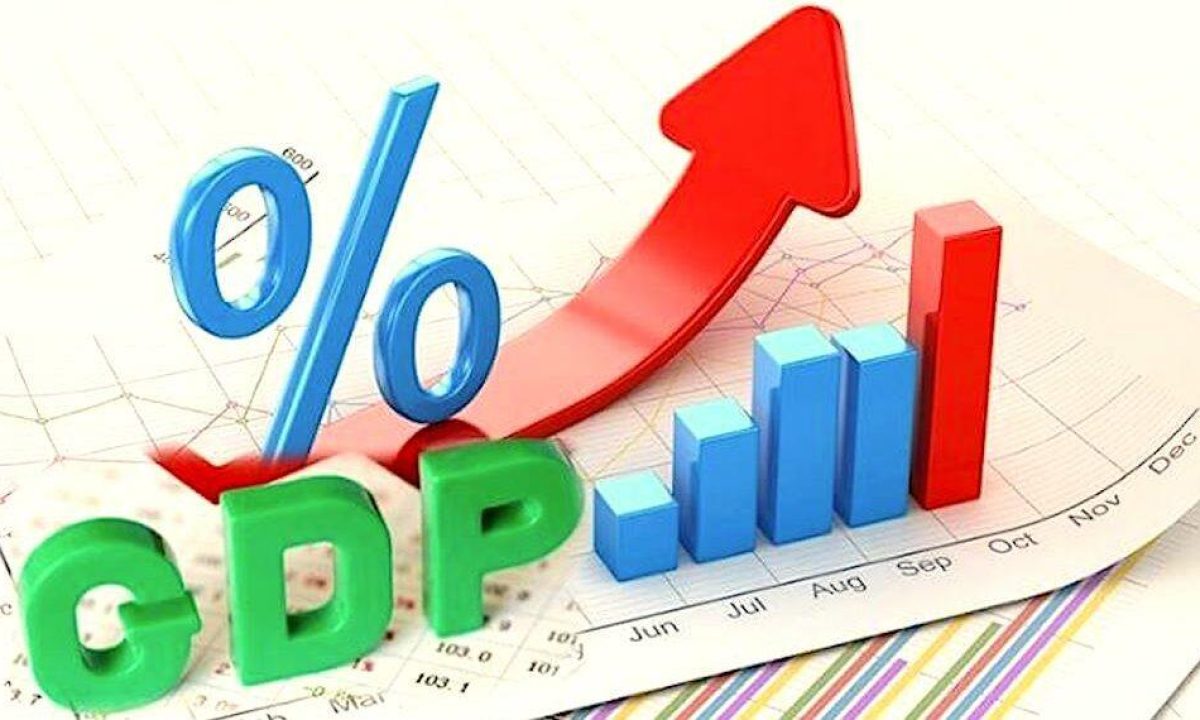
Nigeria’s economy recorded a slower growth rate of 3.89 per cent in the first quarter of 2026, reflecting continued economic pressures across key sectors of the country.
The latest figures showed that the Gross Domestic Product grew in real terms on a year-on-year basis during the period under review, but at a slower pace compared to previous quarters.
The development comes amid persistent concerns over inflation, exchange rate instability, high cost of living and rising production costs affecting businesses and households nationwide.
Economic analysts say the slowdown highlights the challenges facing critical sectors of the economy despite ongoing reforms aimed at stabilising the nation’s financial system and boosting productivity.
The non-oil sector is expected to have remained a major driver of economic activities during the quarter, supported by contributions from telecommunications, agriculture, financial services and trade. However, rising operational costs and weak consumer spending continued to weigh on overall economic performance.
The oil sector also faced challenges linked to fluctuating global crude oil prices, production concerns and infrastructure-related issues, factors that have continued to impact government revenue and foreign exchange earnings.
Experts have warned that while the economy remains on a growth path, the pace may not be sufficient to significantly reduce unemployment, poverty and other socio-economic pressures facing many Nigerians.
They also stressed the need for sustained investment in infrastructure, improved security, stable energy supply and policies that support local industries and attract foreign investment.
The slowdown in GDP growth is expected to intensify discussions around fiscal and monetary policies as authorities seek measures to stimulate economic expansion and ease hardship on citizens.
More details on sectoral performance and broader economic indicators are expected to emerge in subsequent analyses of the first quarter report.




Post comments (0)