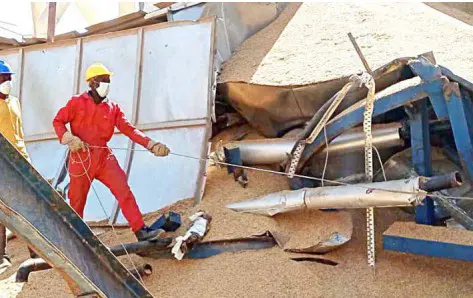
More than 90 of Nigeria’s 260 integrated rice mills have shut down due to shortages of locally produced paddy, rising production costs and the influx of cheaper imported rice. The development marks a setback for the country’s rice production drive, which had recorded significant progress in previous years. According to industry operators, paddy production declined from 8.5 million tonnes in 2021 to about 4.8 million tonnes in 2025, while mill capacity utilisation dropped below 30 per cent.
The National Chairman of the Rice Millers Association of Nigeria, Peter Dama, attributed the crisis to inconsistent government policies, inadequate agricultural financing, insecurity and rising costs of farm inputs. He said the suspension of the Anchor Borrowers’ Programme, which supported farmers with loans, seeds and fertiliser, created a financing gap in the sector. Operators also noted that the cost of a tonne of paddy had increased from about N180,000 in 2021 to between N600,000 and N650,000, while fertiliser and fuel prices had also risen sharply, making locally produced rice more expensive than imported alternatives.
The Federal Ministry of Agriculture also identified policy inconsistency and high production costs as major challenges, noting that Nigeria’s rice self-sufficiency level had dropped to 69 per cent. Industry operators further blamed the influx of cheaper foreign rice, including smuggled products through neighbouring countries, for weakening local competition. They called for affordable agricultural financing, support for farmers, improved border surveillance and consistent government policies to revive domestic rice production and prevent further closures of mills.





Post comments (0)