The National Economic Council (NEC) has unveiled a 90-day action plan aimed at reducing the cost of living, improving transportation affordability and accelerating projects that directly benefit Nigerians.
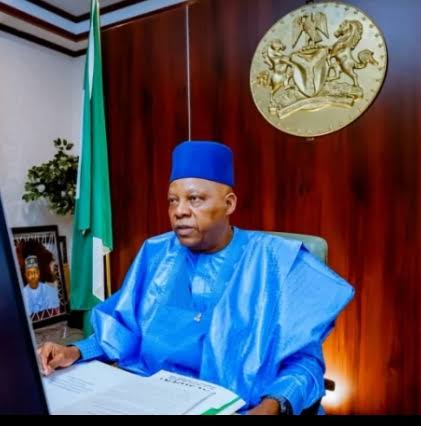
The plan was announced after the Council’s 161st meeting, held virtually and presided over by Vice President Kashim Shettima. It outlines five priority areas: food affordability, tax harmonisation, completion of high-impact projects, removal of investment bottlenecks and targeted household support.
According to a statement by the Senior Special Assistant to the President on Media and Communications in the Office of the Vice President, Stanley Nkwocha, the Federal and state governments will collaborate to implement the measures amid rising living costs and petrol prices.
The Council also approved a national dashboard to track projects across the country and promote transparency and accountability in the use of funds generated from the removal of petrol subsidies.
Speaking at the meeting, Shettima urged state governors to ensure that the benefits of economic reforms translate into lower transportation costs, improved healthcare, employment opportunities and greater financial security for citizens. He stressed that the success of the reforms should be measured by their impact on people’s daily lives rather than official statistics alone.
The Council further agreed on a joint financing framework between the Federal and state governments to support the deployment of compressed natural gas (CNG) and electric vehicles. Relevant authorities were directed to engage transport unions and operators to ensure that savings from alternative energy sources translate into lower fares for passengers.
Minister of Finance and Coordinating Minister of the Economy, Taiwo Oyedele, said the government was targeting single-digit headline inflation and interest rates by 2027, emphasising the need for coordinated economic policies, targeted support for vulnerable households and improved investment conditions.
Meanwhile, Coordinating Minister of Health and Social Welfare, Mohammed Ali Pate, disclosed that 21 states had updated their Ebola preparedness and response plans, while 15 states were yet to do so. He urged the remaining states to strengthen their emergency response measures following the confirmation of an Ebola case in the Federal Capital Territory.
The Council also directed states to intensify polio eradication efforts, particularly in communities affected by insecurity, and strengthen routine immunisation. It further acknowledged the economic potential of livestock development, noting that all 36 states had expressed interest in supporting the Federal Government’s initiatives in the sector.



Post comments (0)