The Federal Government has approved a financing framework and institutional reforms to accelerate electrification of health facilities, targeting reliable 24-hour electricity for at least 30 percent of Nigeria’s health facilities by the end of 2027.
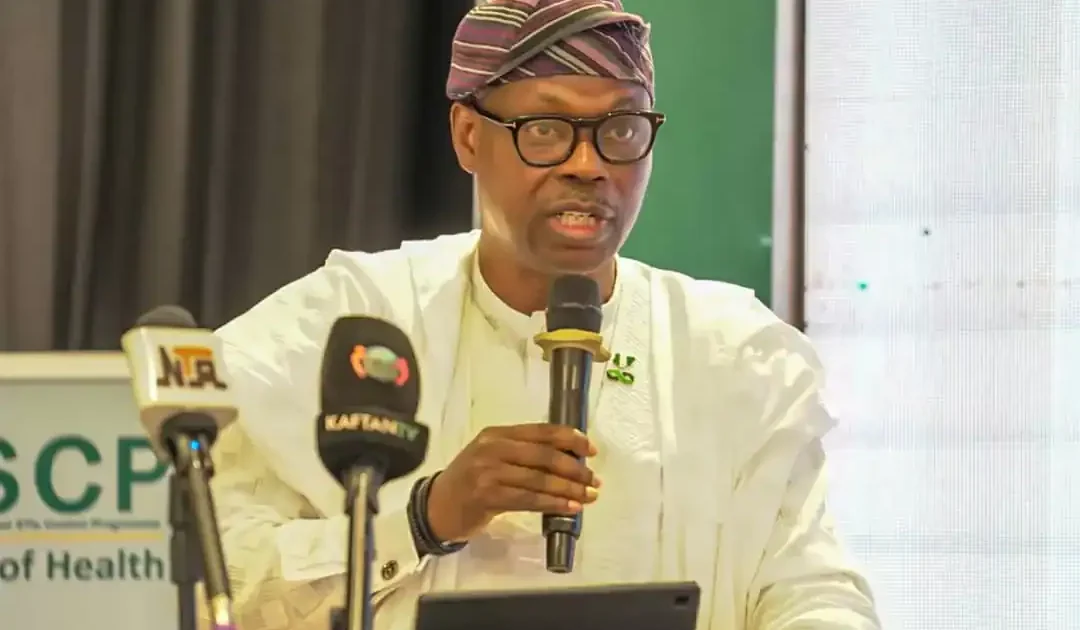
The approval came at the third meeting of the Inter-Ministerial Steering Committee of the Nigeria Power for Health Initiative, a presidential programme jointly run by the Ministries of Health and Power. Minister of State for Health, Dr Iziaq Salako, said the committee endorsed new governance structures, a facility energy management framework, and cleared eight private sector proposals from about 70 submissions received during a recent investor matchmaking event in Lagos.
Salako said Energy Management Teams have already been set up in federal tertiary hospitals, with states encouraged to replicate the structure. The initiative will now be backed by dedicated budgetary provisions and a full-time Project Coordination Unit. Different energy technologies—mini-grids, gas-powered systems, and others, will be deployed based on each facility’s needs, he said.
He revealed that the Rural Electrification Agency has already installed containerised solar power systems in about 100 hospitals nationwide since the initiative launched roughly eight months ago.
Minister of Power, Joseph Tegbe, said the focus is now shifting from announcements to project delivery, adding: “We want Nigerians to see teaching hospitals, state hospitals and primary healthcare centres that have been fully energised,” and stressed that dependable electricity should end hospitals’ frequent reliance on generators during emergencies.
Poor electricity supply remains a major obstacle to healthcare delivery in Nigeria, forcing many public hospitals to depend heavily on diesel generators to power operating theatres, laboratories, and cold-chain systems for vaccines and medicines, a burden that has significantly raised operational costs for tertiary hospitals.
The Nigeria Power for Health Initiative was approved by President Tinubu in December 2025 following the National Power for Health Dialogue and adopts a public-private partnership model to deploy tailored energy solutions across health facilities nationwide.




Post comments (0)