The Christian Association of Nigeria (CAN), South-West region, has rejected the proposed ban on preaching inside commercial vehicles, warning that the measure could infringe on citizens’ constitutional rights.
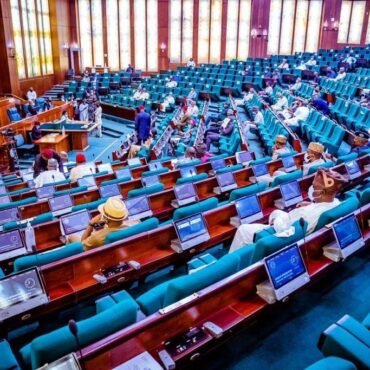
The reaction follows the passage of the Federal Road Safety Corps (Amendment) Bill, 2026, by the Senate, which proposes a ₦50,000 fine for anyone convicted of hawking, trading or preaching inside commercial vehicles.
The bill also provides for a ₦50,000 fine, six months’ imprisonment, or both, for motorists who refuse to cooperate with FRSC officials during roadside breath tests conducted on reasonable suspicion.
In a statement issued by the South-West Chairman of CAN, Bishop Barnabas Akinsanya, the association said the proposed legislation requires careful review to ensure it does not violate citizens’ fundamental freedoms.
CAN expressed “serious concerns” over the provisions prescribing sanctions for preaching in commercial vehicles and the outright prohibition of hawking in such vehicles.
According to the association, while the government has a constitutional responsibility to ensure public safety, it must also uphold the fundamental rights guaranteed under the Constitution, including freedom of thought, conscience, religion and expression.
It stated that any legislation capable of limiting these rights should be carefully examined to ensure it is necessary, proportionate and consistent with constitutional principles.
CAN argued that prohibiting religious preaching without clear evidence that it poses a direct threat to public safety could be viewed as an unnecessary restriction on religious freedom and may generate avoidable public tension.
The association also raised concerns over the proposed ban on hawking in commercial vehicles, noting that many Nigerians rely on legitimate informal trading for their daily livelihood.
It urged the government to prioritise policies that create employment opportunities, reduce poverty, improve public transportation, strengthen security and enhance citizens’ welfare rather than introducing measures that could worsen economic hardship.
CAN appealed to President Bola Tinubu to withhold assent to the bill in its current form and encourage wider consultations with key stakeholders, including religious organisations, civil society groups, legal experts, transport unions and road safety professionals.
According to the association, broader engagement would help produce legislation that strengthens road safety while protecting the constitutional rights and dignity of all Nigerians.




Post comments (0)