The Federal Government has indicated plans to pursue cheaper financing options and stronger international financial support as rising geopolitical tensions continue to put pressure on Nigeria’s economy.
This comes ahead of the upcoming IMF and World Bank Spring Meetings 2026 in Washington, DC, where Nigerian officials are expected to engage with global financial institutions, investors, and development partners.
According to government officials, the global economic environment has become increasingly uncertain due to ongoing tensions in the Middle East involving the United States, Israel, and Iran. The situation has disrupted energy markets, tightened global financial conditions, and triggered fresh inflationary pressures across many economies, including Nigeria.
Authorities noted that the external shocks have come at a delicate time, as the country is still navigating key economic reforms aimed at stabilising growth and improving living standards. The rising cost of fuel and food has placed additional strain on households and businesses, further complicating the recovery process.
One of Nigeria’s key priorities at the meetings will be to advocate for lower borrowing costs for developing nations and fairer global financial conditions. The government is also seeking additional support for countries simultaneously managing economic reforms and external shocks, with the aim of easing fiscal pressures and sustaining growth.
The surge in global crude oil prices, driven by the geopolitical crisis, has had mixed implications for Nigeria. While higher oil prices can boost government revenues and foreign exchange earnings, they have also led to significant increases in domestic energy costs. Petrol and diesel prices have risen sharply, contributing to inflation and increasing the cost of transportation, production, and overall living expenses.
Officials identified key channels through which the global crisis is impacting the Nigerian economy, including higher energy prices, reduced capital inflows, and increased logistics and import costs. Heightened global uncertainty has led investors to shift funds toward safer assets, reducing investment flows into emerging markets like Nigeria and tightening domestic financial conditions.
In addition, disruptions to global shipping routes and energy supply chains have increased freight costs, further driving up the prices of imported goods and adding to inflationary pressures.
Despite these challenges, the government maintains that Nigeria is in a stronger position compared to previous global shocks. It pointed to recent reforms such as foreign exchange liberalisation and subsidy removal as steps that have strengthened macroeconomic stability.
Oil production has also improved, while initiatives aimed at stabilising domestic fuel supply are being implemented. Authorities reaffirmed their commitment to maintaining a liberalised foreign exchange regime to support investor confidence and attract capital inflows.
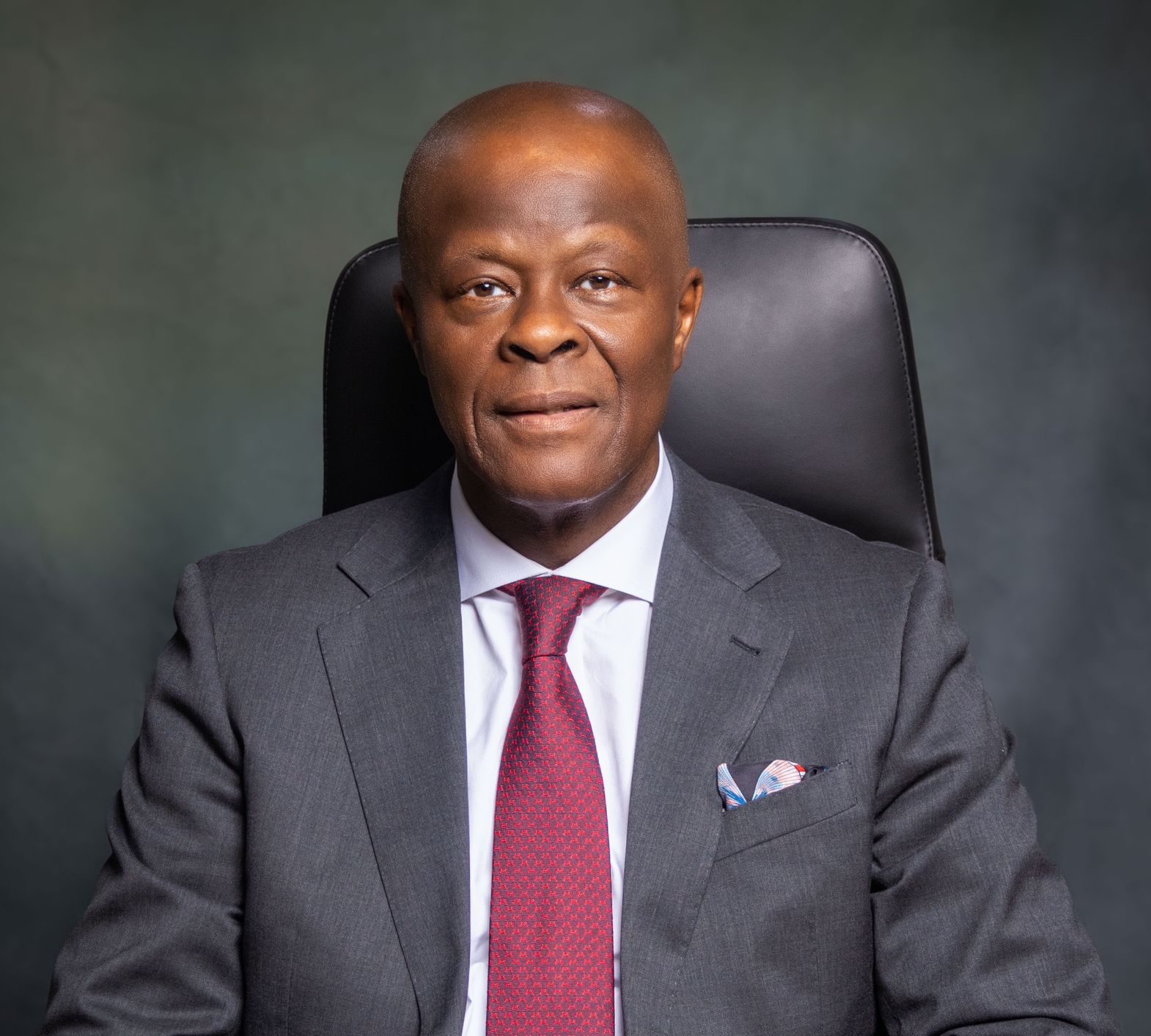
At the meetings, the Minister of Finance and Coordinating Minister of the Economy, Wale Edun, is expected to hold strategic discussions with key stakeholders to reinforce Nigeria’s economic credibility and position the country as resilient amid global uncertainty.
Beyond immediate stabilisation efforts, the government outlined plans to focus on expanding private sector investment, strengthening domestic capital markets, and driving inclusive, job-creating growth. It also emphasised continued investment in human capital development and social protection programmes as part of its broader economic strategy.




Post comments (0)