Tensions in the Middle East escalated sharply on Monday after Israeli strikes reportedly hit Iran’s largest petrochemical complex, while fresh missile and drone attacks deepened fears of a wider regional conflict.
The latest attacks mark a significant intensification in the ongoing confrontation involving Iran, Israel, and the United States, with growing concern over the impact on civilian infrastructure, energy supply, and regional stability.
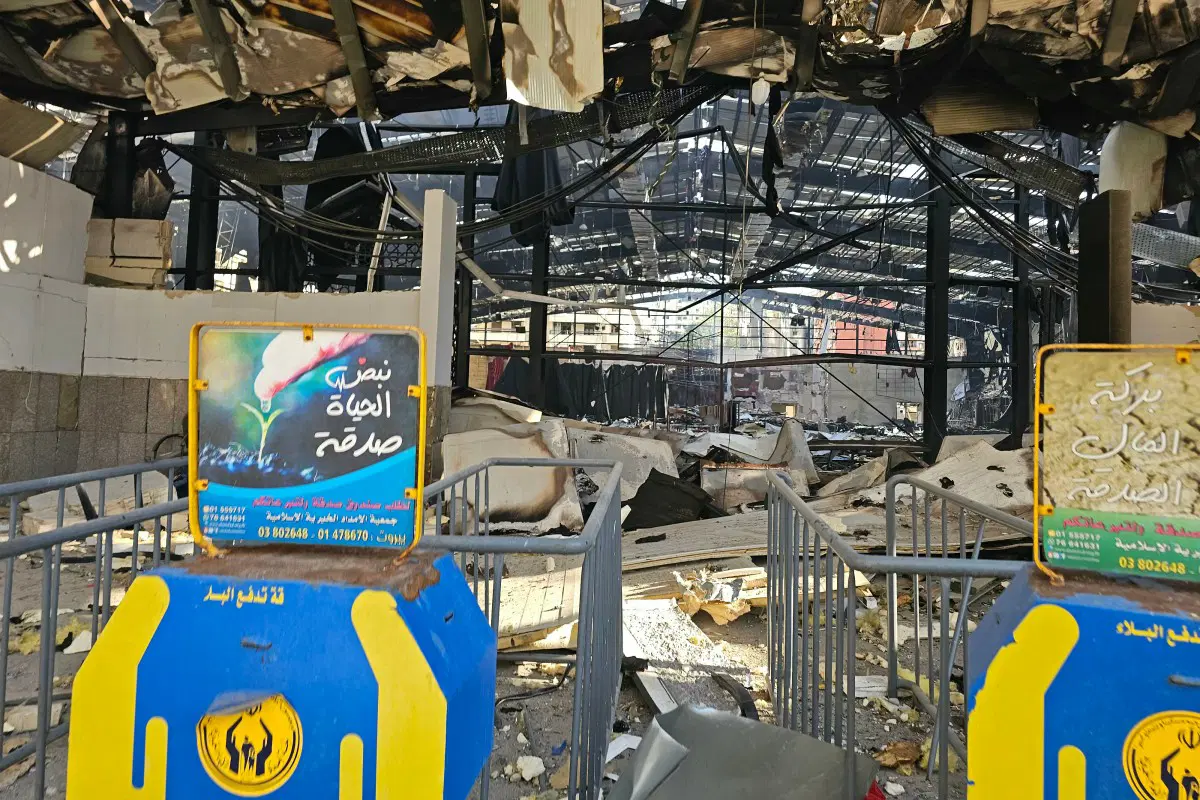
According to reports from the region, the major strike targeted a key petrochemical facility located in Assaluyeh on Iran’s Gulf coast, an area considered one of the country’s most important energy and industrial hubs.
The facility is regarded as a major component of Iran’s petrochemical industry and plays a crucial role in national production and export activity. Reports of multiple explosions in the area triggered immediate concerns over possible damage to strategic energy assets and the broader implications for global oil and gas markets.
The attack came amid rising threats and counter-threats surrounding the Strait of Hormuz, one of the world’s most critical shipping routes for crude oil and natural gas.
Iran has been accused of significantly disrupting movement through the strait, a development that has already sent energy prices upward and caused alarm in international markets. The waterway remains a vital corridor for global energy exports, and any prolonged disruption is expected to have serious economic consequences far beyond the Gulf region.
The latest round of hostilities also included reports of additional strikes and counterattacks involving missiles and drones. A senior commander of Iran’s Revolutionary Guards was reportedly killed in a separate strike, adding another layer of tension to an already volatile situation.
Iranian authorities and military figures have responded with strong warnings, vowing that any further attacks on its territory or civilian infrastructure would be met with a more forceful and devastating response.
Iran also launched retaliatory drone and missile attacks, widening the scope of the confrontation and increasing anxiety across the Gulf as neighbouring countries remain on high alert.
The escalating conflict has placed several countries in the region under heightened security watch, with fears that continued military exchanges could further destabilise strategic infrastructure and civilian communities.
The crisis has also drawn global attention because of its potential impact on international energy supply, maritime trade, and geopolitical stability. With the Strait of Hormuz remaining central to the dispute, analysts warn that any further closure or military confrontation in the area could trigger a deeper economic and security crisis.
World powers and international observers are now closely monitoring developments, amid growing calls for restraint and urgent diplomatic engagement to prevent the situation from spiralling further out of control.
As the conflict continues to evolve, the latest strikes underscore the increasing danger of a broader regional war, with consequences that could extend well beyond the Middle East.




Post comments (0)