The Federal Government has called for greater caution in the use of language in security operations, media reports, and public conversations, warning that vague or misleading terms can worsen division and weaken national unity.
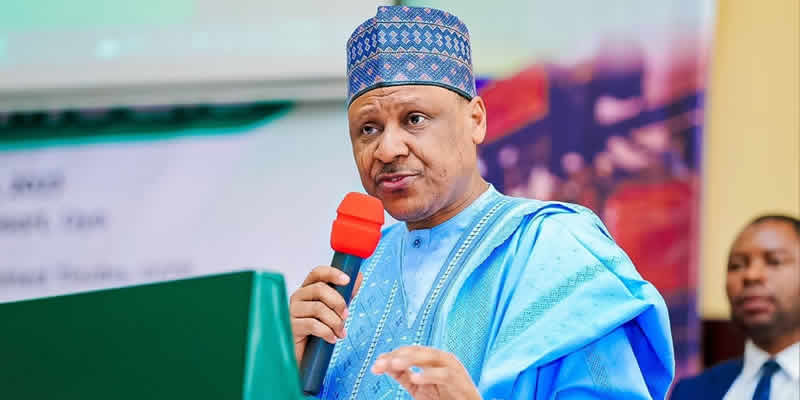
Speaking at a conference in Abuja on Wednesday, the Minister of Information and National Orientation, Mohammed Idris, said the way issues are described can strongly influence public perception and shape how communities are treated.
The conference, themed “Contextualising Definitions and Terminologies to Address Stereotyping and Ethnic Profiling in Discourses and Security Operations in West Africa,” examined the role of language in shaping narratives and either fueling or reducing bias.
Represented at the event by the Executive Secretary of the Nigerian Press Council, Dili Ezughah, the minister said definitions are not neutral and must be handled with care.
He warned that careless or inaccurate use of language could reinforce stereotypes, deepen social divisions, and create mistrust between citizens and the institutions responsible for protecting them.
Idris stressed that Nigeria’s diversity makes it especially important to avoid language that links crime or insecurity to ethnic or religious identity.
He said individuals should be held accountable for their actions without extending blame to entire communities, adding that criminal behaviour must be clearly separated from identity.
The minister also highlighted efforts by the Federal Government to rebuild trust and strengthen unity, including the National Values Charter, which he said is designed to clarify the responsibilities of government to citizens and of citizens to the nation.
According to him, the charter is intended to promote a shared understanding of national identity and help restore confidence between the public and government institutions.
He added that the National Orientation Agency is carrying out campaigns across the country to encourage responsible citizenship, counter harmful narratives, and promote unity.
On security, Idris said the government is strengthening its framework to tackle terrorism, banditry, and organised crime, while also developing a phased plan for state policing.
He said the proposed decentralised policing model is expected to be implemented over 60 months and includes safeguards to prevent political abuse.
The minister also pointed to Nigeria’s collaboration with international partners on intelligence sharing, capacity building, and counter-terrorism efforts, while cautioning against narratives that misrepresent the country abroad.
He maintained that although security and social challenges remain, they do not define Nigeria, noting that the country continues to work toward fairness, inclusion, and peaceful coexistence.
Addressing journalists, Idris urged the media to uphold professionalism and ensure that reports are accurate, verified, and sensitive to context, especially in the digital age where misinformation can spread rapidly.
He also called for stronger cooperation across West Africa in promoting communication practices that support both security and social cohesion.
He said lasting security is not only about defending territory, but also about protecting people, preserving dignity, and strengthening their sense of belonging through fairness in policy, action, and language.




Post comments (0)