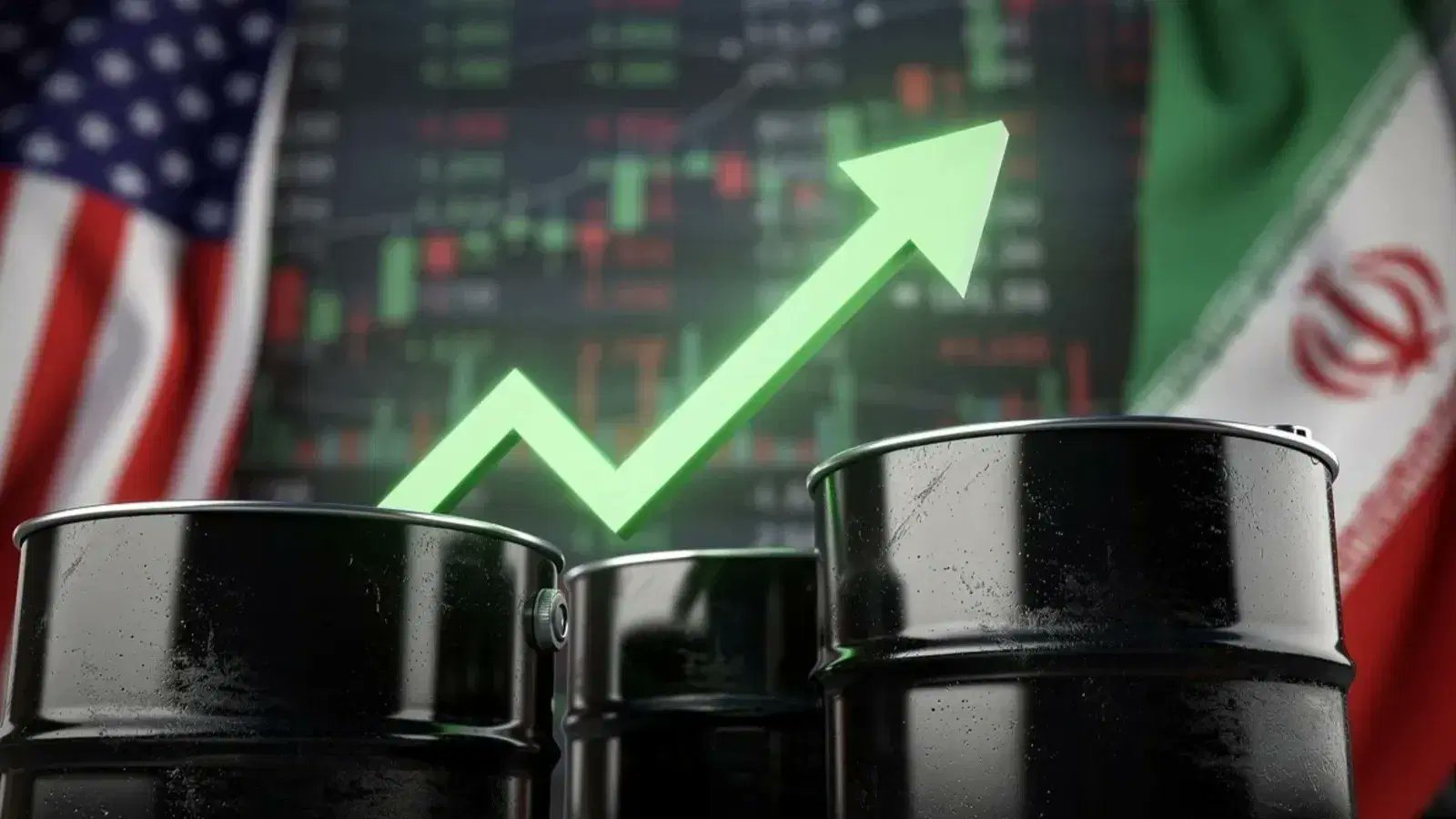
Crude oil prices climbed significantly in the international market on Thursday as tensions in the Middle East intensified following Iran’s rejection of a peace proposal put forward by the United States to halt the ongoing conflict involving Washington, Israel, and Tehran.
The sharp increase in prices came amid fears that the conflict could become more prolonged and disruptive to global energy supply, especially as diplomatic efforts appeared to stall. By yesterday, oil prices had surged by nearly six per cent, rising to about $108.3 per barrel, after earlier fluctuations linked to hopes of a possible de-escalation.
Only a day earlier, prices had shown signs of easing, falling from around $103 to $98 per barrel after US President Donald Trump suggested that Washington had opened communication channels with Tehran in a bid to end the crisis. That announcement briefly calmed the market and raised expectations that both sides might be willing to pursue a diplomatic settlement.
However, those hopes quickly faded after Iranian officials publicly criticised the American proposal, describing it as deeply one-sided and crafted largely to serve the strategic interests of the United States and Israel. Tehran’s rejection of the terms renewed concerns across global commodity markets, with investors responding swiftly to the possibility of a prolonged military and geopolitical standoff in one of the world’s most sensitive oil-producing regions.
The renewed pressure on crude prices is already reverberating across several economies, including Nigeria, where the cost of petroleum products remains elevated. In the domestic market, the retail price of petrol has continued to stay high, placing further pressure on households, transport operators, small businesses, and manufacturing concerns already grappling with inflation and rising operating costs.
In Abuja, NNPC Limited was reported to be selling petrol at about N1,261 per litre, while some major marketers were dispensing the product at as much as N1,371 per litre. These figures represent a significant increase from the pre-crisis period in late February, when NNPC outlets sold at around N860 per litre and private marketers averaged approximately N880 per litre.
The latest spike in fuel prices has renewed concerns about the broader economic implications of the conflict, especially for import-dependent countries and developing economies that remain highly vulnerable to external energy shocks. Analysts say if hostilities continue and shipping routes remain under threat, consumers may face even steeper energy costs in the coming weeks.
At the heart of the latest diplomatic deadlock is Iran’s insistence on maintaining control over the Strait of Hormuz, one of the most strategically important waterways in the global oil trade. The narrow maritime passage is a critical route through which a substantial portion of the world’s crude oil and liquefied natural gas is transported. Any threat to its stability has immediate implications for energy prices and supply chains worldwide.
Iranian authorities have repeatedly insisted that their position on the Strait is rooted in sovereignty and international law. Tehran has argued that it retains the legal and strategic right to regulate, secure, and, where necessary, impose tolling mechanisms in the waterway as part of its broader national security posture. That position has become a central sticking point in efforts to negotiate a ceasefire or broader peace arrangement.
Iranian officials also maintained that while they have not completely shut the door on diplomacy, there is currently no realistic or balanced framework on the table that could lead to meaningful negotiations. According to senior figures within the Iranian establishment, any future talks would have to acknowledge Iran’s security concerns, regional interests, and sovereign rights rather than impose what they see as unilateral demands.
The proposal reportedly submitted by the United States contained 15 key points, several of which were said to be unacceptable to Tehran. Among the major demands attributed to Washington were the dismantling of Iran’s nuclear programme, restrictions on its missile development, and limitations on its regional military influence. The proposal also reportedly called on Iran to stop supporting armed groups and allied movements across the Middle East.
From Tehran’s perspective, those conditions amount to a demand for strategic surrender rather than a genuine peace offer. Iranian officials are said to believe the proposal was structured to weaken the country’s defence capabilities and regional leverage while granting geopolitical advantage to both Washington and Tel Aviv.
Iran’s position appears to have been reinforced after internal consultations among top officials and senior security figures. Reports indicate that the peace proposal was carefully reviewed during high-level meetings involving influential state actors and representatives aligned with the country’s supreme leadership. Following those deliberations, the consensus within the Iranian establishment reportedly remained that the offer, in its current form, does not provide a workable path to peace.
Despite rejecting the proposal, Iran is said to be leaving room for possible diplomatic engagement in the future, but only under terms it considers fair, realistic, and mutually beneficial. Officials have suggested that if the United States adopts a more balanced and pragmatic posture, there may still be an opportunity to reopen serious negotiations.
The growing standoff has also reignited fears about the vulnerability of global oil infrastructure and trade routes. Energy traders and policy watchers are closely monitoring developments in the Gulf region, particularly any indication that the conflict could spill further into maritime channels or draw in additional regional powers.
The Middle East remains central to the world’s energy security architecture, and even the perception of instability in the region can trigger immediate reactions in oil futures, shipping insurance, and supply chain planning. As a result, every diplomatic statement, military movement, or strategic warning from either side is now being assessed not only through a security lens but also through its potential economic fallout.
For oil-importing nations, the concern is especially acute. A sustained rise in crude prices could translate into higher transport costs, more expensive electricity generation, increased food prices, and renewed inflationary pressure. For countries already facing currency weakness and high import bills, such a development could worsen fiscal strain and deepen cost-of-living challenges.
In Nigeria, where fuel pricing remains a politically and economically sensitive issue, the upward trend in international crude prices may further complicate efforts to stabilise domestic energy costs. Consumers and businesses alike are likely to continue feeling the effects if the conflict drags on and international benchmark prices remain elevated.
Meanwhile, President Trump struck a hard tone in his latest remarks on the crisis, urging Iranian leaders to become more serious about ending the conflict through negotiation. He also claimed that officials in Tehran were reluctant to openly acknowledge any form of engagement with Washington because of possible domestic backlash.
His comments are likely to add another layer of tension to an already fragile diplomatic environment, especially as both sides continue to project firmness in public while leaving limited room for compromise.
With no immediate breakthrough in sight, global markets are likely to remain highly sensitive to further developments in the conflict. For now, the rise in crude oil prices reflects more than just market speculation — it is a direct response to the growing perception that peace efforts have stalled and that the geopolitical risks surrounding one of the world’s most vital energy corridors are far from over.



Post comments (0)