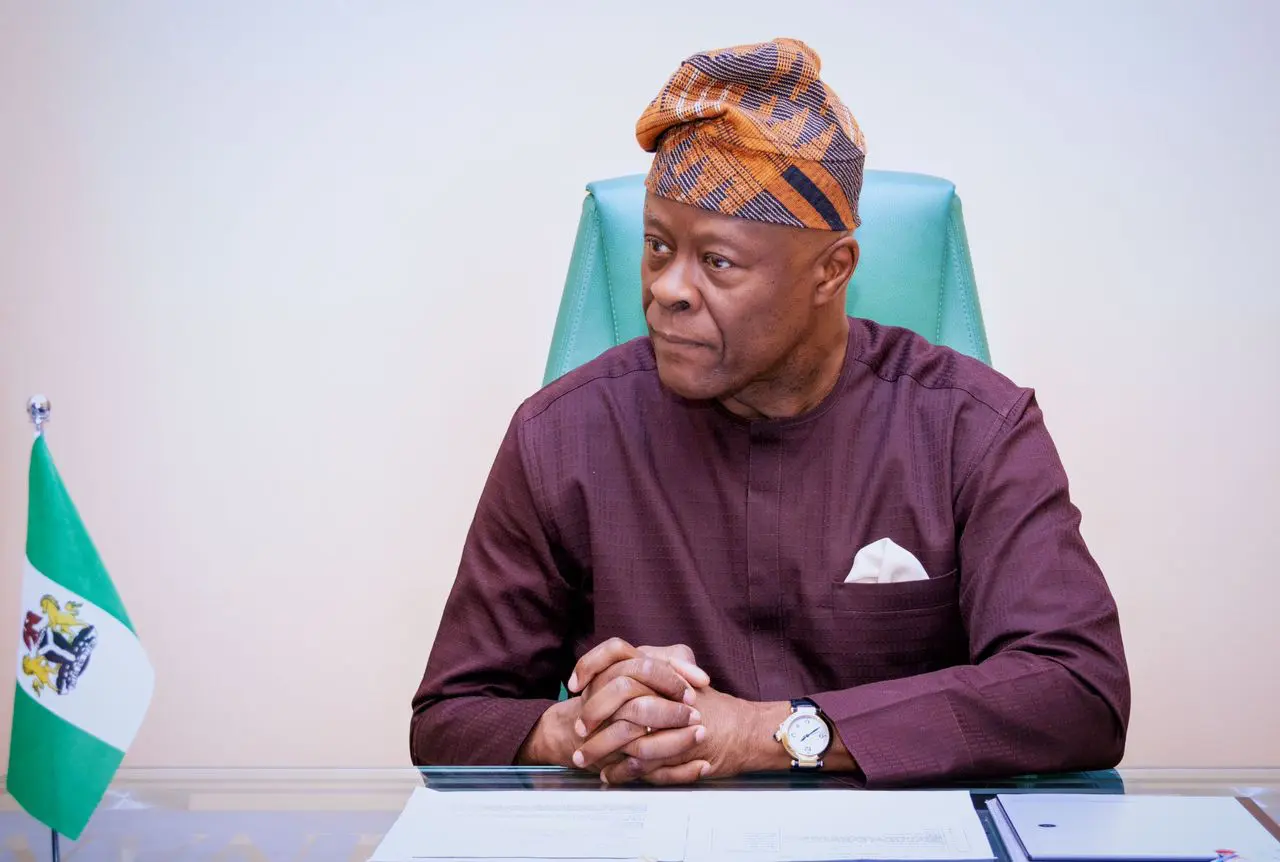
The Minister of Finance and Coordinating Minister of the Economy, Wale Edun, has told the Senate that Nigeria’s current public debt stock of approximately N152 trillion is largely the result of liabilities inherited from previous administrations, as well as the impact of exchange rate adjustments on the country’s external obligations.
Edun made the clarification while appearing before the Nigerian Senate Committee on Finance during the defence of the proposed 2026 budget. Addressing lawmakers, he explained that although the headline figure of N152 trillion appears significant, only a fraction of that amount represents fresh borrowing undertaken by the present administration since it assumed office in 2023.
According to the minister, about N20 trillion of the total debt has been accumulated within the last two years, while the remaining portion comprises loans contracted by previous governments and the effects of exchange rate movements on Nigeria’s foreign-denominated debt. He noted that when the naira depreciates against major international currencies, the naira equivalent of existing external loans rises, even if no additional funds are borrowed.
Edun emphasised that exchange rate adjustments in recent years substantially increased the domestic currency value of Nigeria’s foreign obligations, thereby inflating the overall debt profile in naira terms. He stressed that this accounting effect should not be misconstrued as entirely new borrowing, but rather as a reflection of currency realignment and the structure of the country’s debt portfolio.
Turning to the 2026 fiscal plan, the minister said the proposed N58.472 trillion budget has been structured to prioritise projects capable of stimulating economic growth, enhancing productivity, and expanding revenue generation. He explained that the government’s strategy is to channel spending toward infrastructure, human capital development, and other growth-enabling sectors that can generate sustainable returns for the economy.
He assured lawmakers that the administration remains committed to prudent debt management practices. According to him, borrowing decisions are being guided by a framework that seeks to balance fiscal sustainability with the need to finance critical development projects. He added that efforts are ongoing to strengthen revenue mobilisation, broaden the tax base, and reduce dependence on debt over time.
Edun also highlighted the government’s broader economic reform agenda, noting that structural adjustments implemented in recent years are aimed at stabilising the economy, restoring investor confidence, and creating a foundation for long-term growth. He acknowledged that reforms often come with short-term challenges but maintained that they are necessary to correct long-standing distortions and improve macroeconomic stability.
During the interactive session, members of the committee raised concerns about the lived experiences of ordinary Nigerians, pointing out that many citizens have yet to feel the tangible benefits of the administration’s economic policies. Lawmakers questioned how the proposed budget would translate into improved living standards, job creation, and enhanced public services.
The Chairman of the Committee, Senator Sani Musa, urged the economic management team to strengthen collaboration with the National Assembly to ensure effective budget implementation. He stressed that beyond budget presentation and approval, there must be rigorous monitoring to guarantee that allocated funds are efficiently utilised and that projects deliver measurable impact.
The committee underscored the importance of transparency, fiscal discipline, and accountability in public spending. Members called for improved communication with citizens regarding government policies and their expected outcomes, noting that public trust is critical to the success of any reform programme.
In response, Edun reaffirmed the administration’s commitment to working closely with lawmakers to refine fiscal policies and ensure that budgetary allocations align with national development priorities. He expressed confidence that, with sustained implementation and coordinated oversight, the 2026 budget would serve as a vehicle for economic expansion, improved revenue performance, and gradual reduction of fiscal pressures.
The session concluded with a renewed call for synergy between the executive and legislative arms of government to strengthen Nigeria’s economic management framework and ensure that public resources are deployed in ways that deliver meaningful benefits to the population.



Post comments (0)