Most Asian equities declined on Friday while oil prices climbed further after US President Donald Trump heightened tensions in the Middle East by suggesting possible military action against Iran if nuclear negotiations fail to produce a “meaningful deal.”
The remarks dampened a fragile market rebound that followed an AI-driven sell-off earlier this month. Investors are also awaiting fresh US economic data expected later in the day, which could offer new insight into the strength of the world’s largest economy.
Recent economic figures have generally exceeded forecasts, boosting optimism about the outlook but also reducing expectations for additional interest rate cuts.
Speaking at the inaugural meeting of his “Board of Peace,” an initiative focused on stabilising Gaza, Trump warned that Tehran must reach an agreement or face consequences. He indicated that the United States could escalate its response within days if talks do not progress.
Earlier, Israeli Prime Minister Benjamin Netanyahu cautioned that any attack by Iran would trigger a severe response.
The comments come shortly after the United States and Iran held a second round of talks in Geneva, mediated by Oman, aimed at preventing Tehran from developing nuclear weapons—an ambition Iran denies pursuing.
Concerns about potential conflict in the oil-rich Middle East have pushed crude prices to their highest levels since June, with gains extending into Friday.
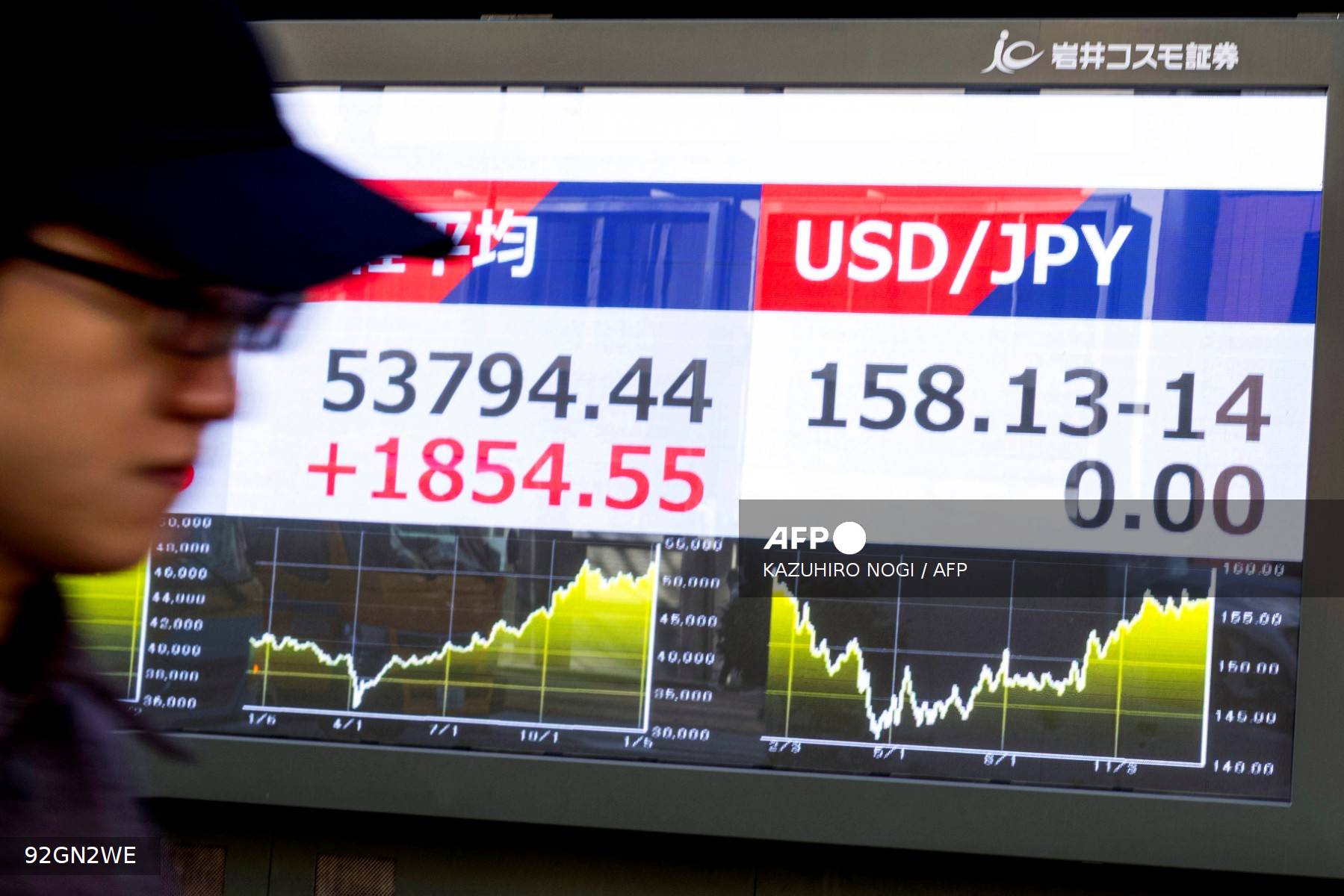
Equity markets reacted negatively across much of the region. Hong Kong fell on reopening after a three-day holiday, while Tokyo, Sydney, Wellington and Bangkok also posted losses. In contrast, Seoul rose to a fresh record on sustained technology sector gains, with Singapore, Manila and Mumbai also edging higher.
Market analysts noted that while the rhetoric has intensified, diplomatic efforts remain ongoing, suggesting that negotiations could still provide a path to de-escalation.
Meanwhile, shares in Jakarta dipped despite a new trade agreement between Washington and Indonesian President Prabowo Subianto. The deal sets a 19 percent tariff on Indonesian goods entering the United States, lower than the previously threatened 32 percent rate.
As part of the agreement, Indonesia committed to purchasing $33 billion worth of US energy products, agricultural goods and aviation-related equipment, including aircraft from Boeing.




Post comments (0)