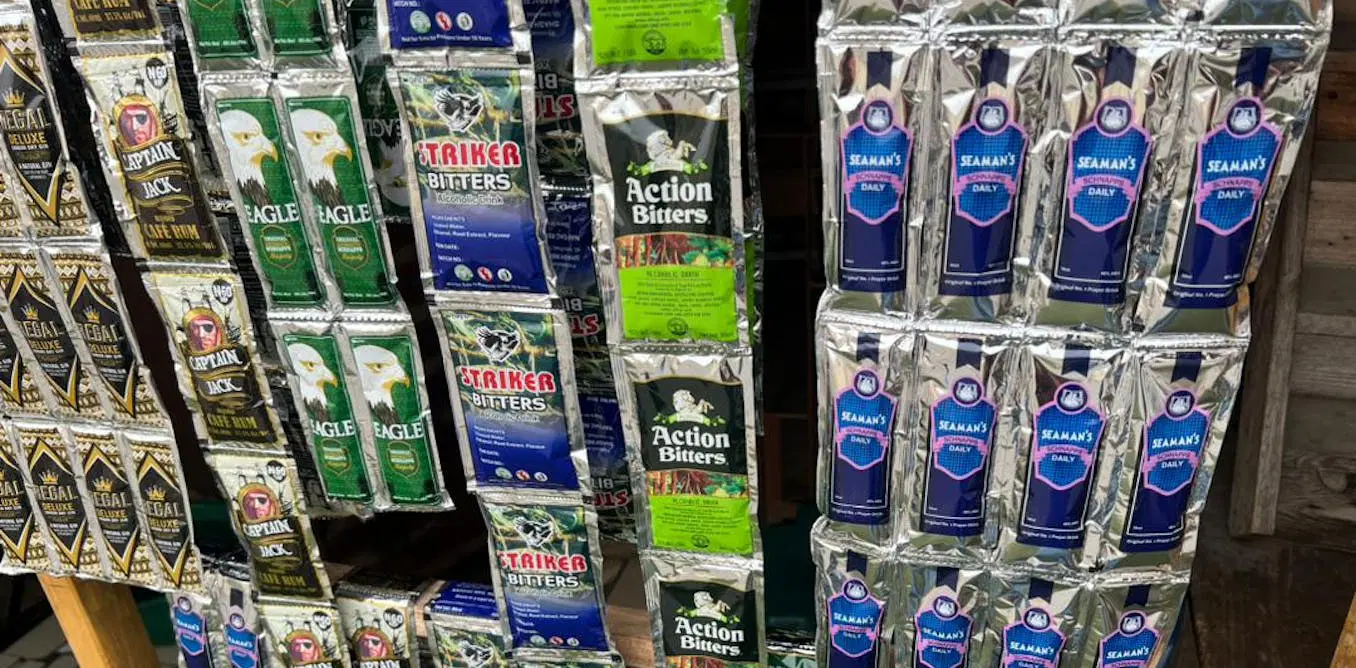
Workers in Nigeria’s food and beverage industry staged another protest on Tuesday at the office of the National Agency for Food and Drug Administration and Control (NAFDAC), calling on the Federal Government to urgently intervene in the ongoing enforcement of the ban on sachet alcohol and small PET bottle products.
The protest, which marks the fifth demonstration by industry workers this year, was organised by distillers and employees under the umbrella of the Food, Beverage and Tobacco Senior Staff Association (FOBTOB). Both junior and senior staff members gathered in large numbers at the agency’s premises, expressing deep concern over what they described as harsh enforcement measures that have disrupted production and threatened millions of jobs.
The protesters occupied the entrance to the facility, chanting solidarity songs and holding placards with messages highlighting their fears about job losses and economic hardship. Many of the placards appealed directly to President Bola Tinubu, urging the government to protect workers and prevent the collapse of local manufacturing businesses. Others called on regulators to release products currently being withheld and reconsider policies they believe are damaging the industry.
The demonstration follows the continued closure and sealing of factories accused of producing alcohol in sachets and small plastic bottles below the approved volume. Labour leaders say these actions have severely affected operations across the sector, leaving many workers uncertain about their future and pushing thousands of families toward financial distress.
National President of FOBTOB, Jimoh Oyibo, warned that shutting down licensed manufacturers could have unintended consequences for both public safety and the economy. He explained that regulated manufacturers operate under strict guidelines and oversight, ensuring product safety and quality. According to him, forcing such companies out of operation could create opportunities for illegal producers to flood the market with unregulated and potentially dangerous alternatives.
He further emphasised that the issue extends beyond employment, noting that the closures could also reduce government revenue, weaken legitimate businesses, and destabilise an important segment of Nigeria’s manufacturing sector. He called for dialogue between regulators, labour unions and industry stakeholders to find a balanced solution that protects both public health and economic stability.
Also speaking during the protest, Secretary of the National Union of Food, Beverage and Tobacco Employees, Jeffery Igein, expressed concern that the enforcement actions appear inconsistent with broader national economic goals. He argued that policies affecting major industries should be implemented carefully to avoid worsening unemployment and economic hardship.
He stressed that workers and manufacturers are not opposed to regulation, but rather seek clarity, fairness and proper engagement in the policy implementation process. He added that sudden enforcement measures without adequate transition periods could destabilise businesses that have operated legally for years.
Labour leaders also revealed that similar protests have been held in other parts of the country, including Abuja and Aba, reflecting growing frustration and anxiety among workers nationwide. They warned that continued factory closures could worsen unemployment levels and deepen the country’s economic challenges.
Despite the workers’ claims that there may have been discussions about easing enforcement, NAFDAC Director-General, Mojisola Adeyeye, has maintained that the agency has not received any official directive to suspend the ban. This has further heightened uncertainty within the industry, leaving workers unsure about the future of their jobs and the fate of affected companies.
As tensions persist, workers say they remain determined to continue peaceful demonstrations until their concerns are addressed. They are urging the Federal Government to intervene quickly, facilitate dialogue with regulators, and implement policies that protect both public health and the livelihoods of millions of Nigerians who depend on the food and beverage industry for survival.



Post comments (0)