The House of Representatives has begun fresh legislative action to revisit and possibly amend critical sections of the Electoral Act Amendment Bill 2025, in what lawmakers described as a necessary step to protect the credibility and integrity of Nigeria’s 2027 general elections.
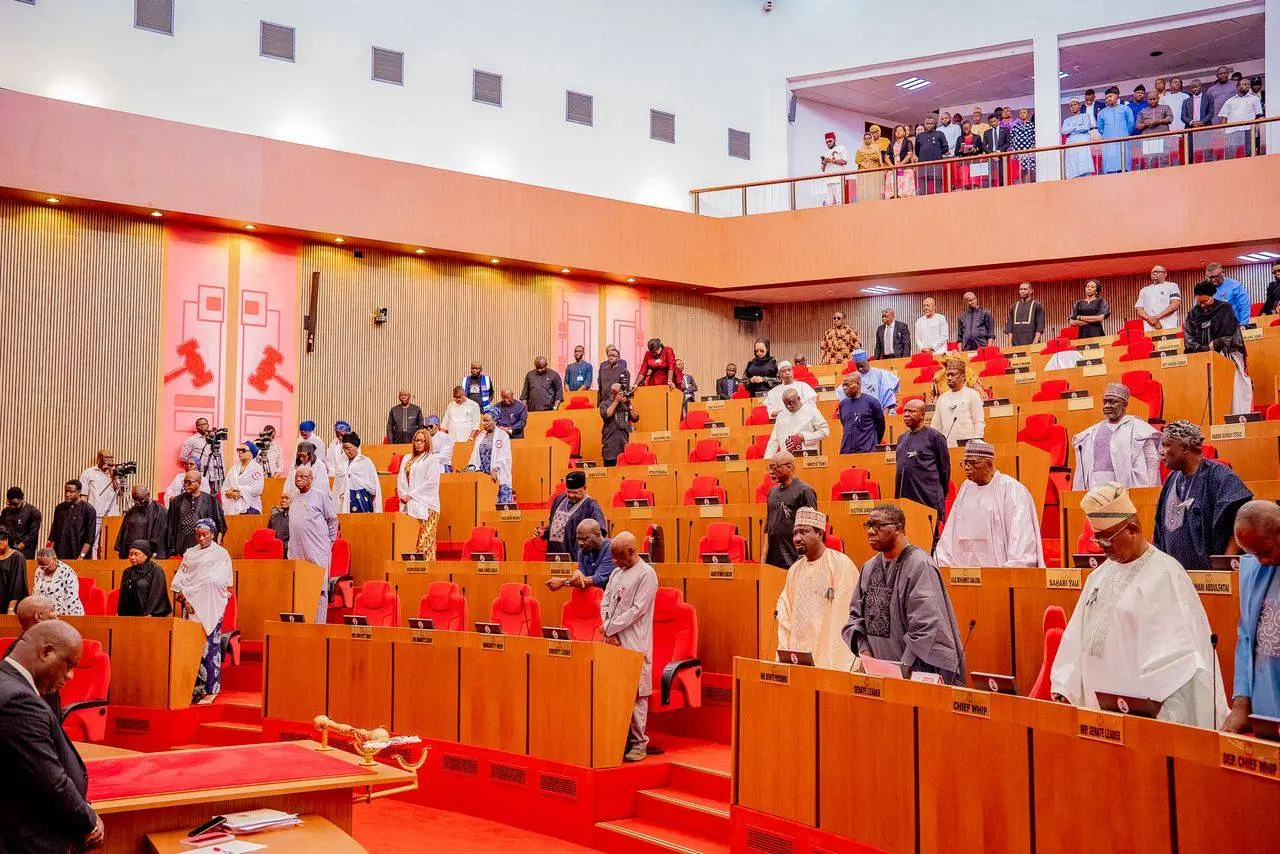
The decision was taken during a plenary session on Tuesday, when lawmakers temporarily suspended ongoing budget defence activities to focus on the electoral legislation. Members emphasised that the issues surrounding the Electoral Act are of national importance and would significantly shape the conduct, transparency and credibility of future elections.
Presiding over the session, the Speaker of the House, Tajudeen Abbas, described the exercise as a critical national responsibility. He commended lawmakers who travelled from various parts of the country to attend the session, stressing that the primary objective was to reconsider and strengthen the Electoral Act Amendment Bill 2025.
He explained that the review was necessary to ensure the law reflects best practices and provides a clear legal framework capable of delivering credible and transparent elections in 2027. According to him, the House is committed to ensuring that Nigeria’s electoral system inspires confidence among citizens and political stakeholders.
A motion for the rescission of the bill was presented by Francis Waive, who represents Ughelli North, Ughelli South and Udu Federal Constituency of Delta State. He reminded lawmakers that the bill had previously been passed in December 2025 but noted that subsequent reviews by a technical committee identified several inconsistencies and technical concerns that required correction.
The committee, which included leadership representatives from both chambers of the National Assembly, members of the conference committee, legislative clerks and legal experts, examined the bill to harmonise its provisions and address areas that could create implementation challenges. Their findings revealed gaps and unintended consequences in certain clauses, making it necessary for the House to reconsider the legislation.
Waive stressed that electoral laws must promote fairness, inclusiveness, administrative efficiency and maximum participation by eligible voters. He explained that addressing the identified issues would help strengthen Nigeria’s electoral framework and ensure that future elections are conducted in a transparent and credible manner.
Following the motion, the Chairman of the House Committee on Electoral Matters, Adebayo Balogun, presented a second motion seeking to recommit the bill to the Committee of the Whole for detailed review and reconsideration. The aim, he explained, was to allow lawmakers thoroughly examine the problematic sections and make necessary amendments before final passage.
However, the process was not without controversy. When the Speaker put the question to a voice vote, there was disagreement among lawmakers over the outcome. Some members argued that the majority opposed the motion, while others supported it. Despite the disagreement, the Speaker ruled in favour of the motion, prompting protests from some lawmakers on the floor.
The disagreement created tension in the chamber, leading the Speaker to call for a closed-door session to allow members resolve the matter privately and reach a consensus.
The move by the House signals a renewed determination by lawmakers to strengthen Nigeria’s electoral legal framework ahead of the 2027 general elections. Lawmakers said the review is intended to eliminate loopholes, correct technical errors and ensure that the law supports free, fair and credible elections.
The Electoral Act plays a central role in regulating the conduct of elections, outlining procedures for voter registration, result transmission, candidate nomination and election dispute resolution. Any amendment to the Act is therefore considered critical to improving the country’s democratic process.
By reopening deliberations on the bill, the House of Representatives has demonstrated its intention to ensure that Nigeria’s electoral system remains transparent, reliable and capable of delivering credible outcomes that reflect the will of the people.
The House of Representatives has begun fresh legislative action to revisit and possibly amend critical sections of the Electoral Act Amendment Bill 2025, in what lawmakers described as a necessary step to protect the credibility and integrity of Nigeria’s 2027 general elections.
The decision was taken during a plenary session on Tuesday, when lawmakers temporarily suspended ongoing budget defence activities to focus on the electoral legislation. Members emphasised that the issues surrounding the Electoral Act are of national importance and would significantly shape the conduct, transparency and credibility of future elections.
Presiding over the session, the Speaker of the House, Tajudeen Abbas, described the exercise as a critical national responsibility. He commended lawmakers who travelled from various parts of the country to attend the session, stressing that the primary objective was to reconsider and strengthen the Electoral Act Amendment Bill 2025.
He explained that the review was necessary to ensure the law reflects best practices and provides a clear legal framework capable of delivering credible and transparent elections in 2027. According to him, the House is committed to ensuring that Nigeria’s electoral system inspires confidence among citizens and political stakeholders.
A motion for the rescission of the bill was presented by Francis Waive, who represents Ughelli North, Ughelli South and Udu Federal Constituency of Delta State. He reminded lawmakers that the bill had previously been passed in December 2025 but noted that subsequent reviews by a technical committee identified several inconsistencies and technical concerns that required correction.
The committee, which included leadership representatives from both chambers of the National Assembly, members of the conference committee, legislative clerks and legal experts, examined the bill to harmonise its provisions and address areas that could create implementation challenges. Their findings revealed gaps and unintended consequences in certain clauses, making it necessary for the House to reconsider the legislation.
Waive stressed that electoral laws must promote fairness, inclusiveness, administrative efficiency and maximum participation by eligible voters. He explained that addressing the identified issues would help strengthen Nigeria’s electoral framework and ensure that future elections are conducted in a transparent and credible manner.
Following the motion, the Chairman of the House Committee on Electoral Matters, Adebayo Balogun, presented a second motion seeking to recommit the bill to the Committee of the Whole for detailed review and reconsideration. The aim, he explained, was to allow lawmakers thoroughly examine the problematic sections and make necessary amendments before final passage.
However, the process was not without controversy. When the Speaker put the question to a voice vote, there was disagreement among lawmakers over the outcome. Some members argued that the majority opposed the motion, while others supported it. Despite the disagreement, the Speaker ruled in favour of the motion, prompting protests from some lawmakers on the floor.
The disagreement created tension in the chamber, leading the Speaker to call for a closed-door session to allow members resolve the matter privately and reach a consensus.
The move by the House signals a renewed determination by lawmakers to strengthen Nigeria’s electoral legal framework ahead of the 2027 general elections. Lawmakers said the review is intended to eliminate loopholes, correct technical errors and ensure that the law supports free, fair and credible elections.
The Electoral Act plays a central role in regulating the conduct of elections, outlining procedures for voter registration, result transmission, candidate nomination and election dispute resolution. Any amendment to the Act is therefore considered critical to improving the country’s democratic process.
By reopening deliberations on the bill, the House of Representatives has demonstrated its intention to ensure that Nigeria’s electoral system remains transparent, reliable and capable of delivering credible outcomes that reflect the will of the people.





Post comments (0)