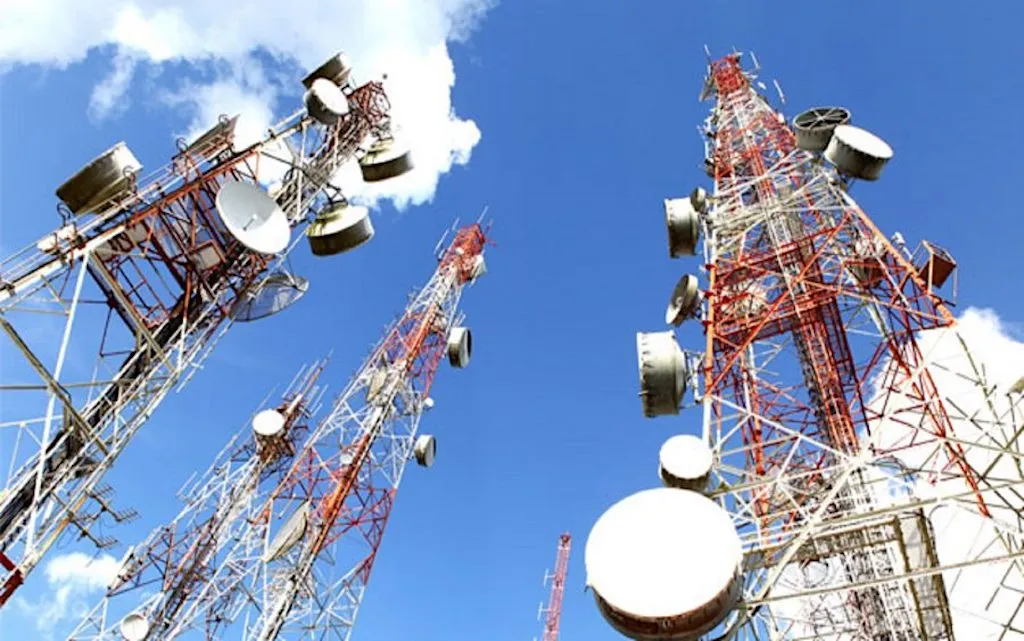
Telecommunications operators in Nigeria have strongly rejected claims that the country lacks sufficient infrastructure to support electronic transmission of election results, describing such assertions as inaccurate and misleading. The operators insisted that the Senate and other stakeholders should rely on verified data from the appropriate regulatory authority rather than conclusions based on incomplete or outdated information.
According to industry representatives, Nigeria’s telecommunications network has expanded significantly over the years, providing widespread coverage across most parts of the country. They explained that more than 70 percent of the country currently enjoys access to 3G and 4G networks, while 5G services have already reached approximately 11 percent coverage and continue to expand steadily. The remaining areas are served by 2G networks, which, despite being older technology, are still capable of supporting essential digital functions, including the transmission of election results.
The operators emphasized that even 2G connectivity is sufficient to transmit data electronically, noting that electronic transmission does not necessarily require high-speed internet to function effectively. They expressed concern that the suggestion of a blanket restriction on electronic transmission due to alleged infrastructure limitations does not reflect the reality of the country’s telecommunications capabilities. According to them, the telecom sector has made substantial investments over the years to strengthen connectivity, improve network reliability, and extend coverage to underserved areas.
Industry stakeholders also highlighted that network challenges in Nigeria are largely localized and not representative of the entire country. They acknowledged that there are limited areas where security concerns, particularly insurgency, have made it difficult for telecom operators to safely maintain and expand infrastructure. However, they maintained that such challenges affect only a small portion of the country and should not be used as justification to dismiss electronic transmission nationwide. They stressed that these isolated challenges can be addressed through collaboration between government agencies, security forces, telecom operators, and other relevant stakeholders.
Furthermore, telecom operators argued that Nigeria has already demonstrated its capacity to support digital systems in various sectors, including banking, commerce, education, and governance. Millions of Nigerians rely on telecommunications networks daily for financial transactions, communication, and access to digital services. They said this widespread reliance clearly shows that the infrastructure exists and can support additional critical functions such as election result transmission.
They also pointed out that technological systems designed for election result transmission are built with safeguards to ensure reliability. For instance, where network connectivity is temporarily unavailable, results can be stored securely and automatically transmitted once the device reconnects to a network. This capability ensures that temporary network gaps do not prevent the eventual electronic transfer of results.
Telecommunications stakeholders therefore urged policymakers to base decisions on accurate technical data and objective assessments rather than assumptions. They maintained that Nigeria’s telecommunications infrastructure has evolved significantly and continues to improve, making electronic transmission both feasible and practical.
They concluded by emphasizing the importance of embracing technological advancements to strengthen transparency, efficiency, and public confidence in electoral processes. According to them, with the current level of telecom penetration and continued investment in network expansion, Nigeria is well positioned to support electronic transmission of election results and other critical digital operations nationwide.



Post comments (0)