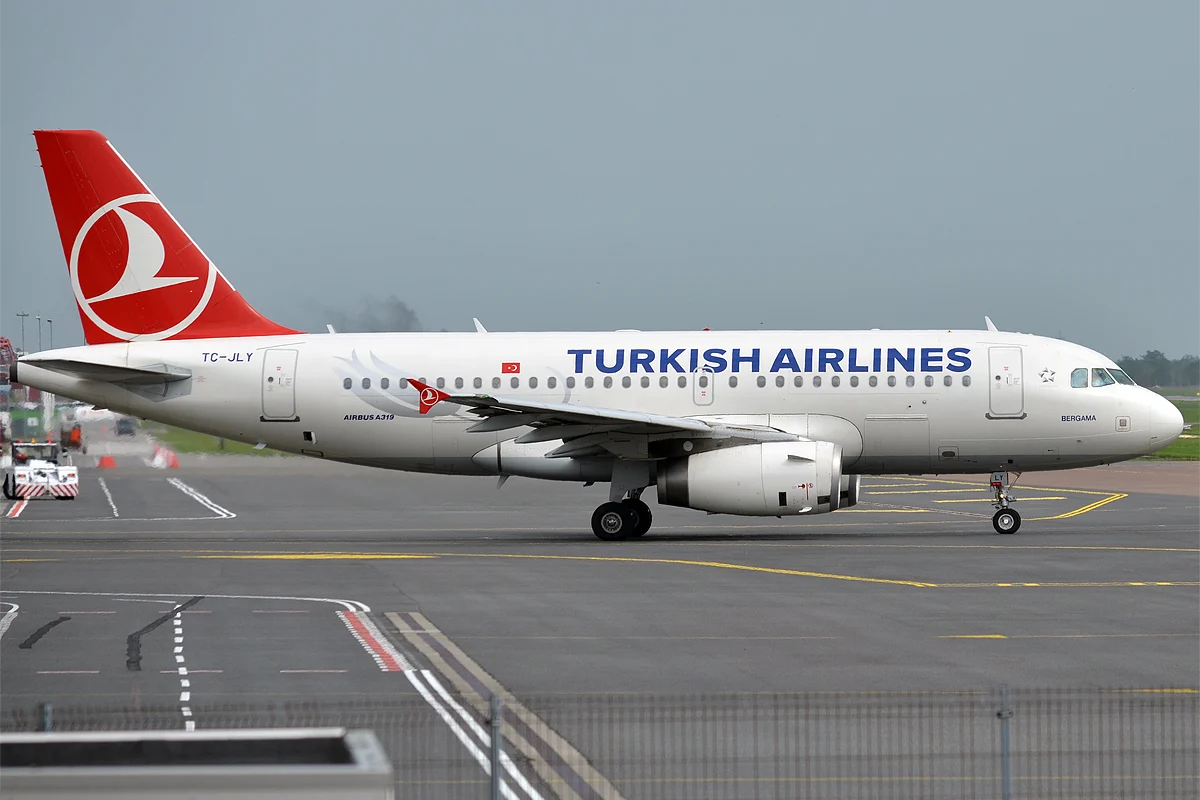
Turkish Airlines has cancelled all five of its scheduled Friday flights to Iran’s capital, Tehran, amid escalating unrest in the country linked to widespread protests over worsening economic conditions. The cancellations come as demonstrations continue to grip several Iranian cities, heightening uncertainty around travel and security in the region.
In addition to the Turkish Airlines cancellations, multiple flights operated by Iranian carriers were also called off, further disrupting air traffic between Iran and the outside world. While some flights remain on schedule, the growing number of cancellations has raised concerns among passengers and aviation observers about the stability of air operations as tensions persist.
Despite the developments, Turkish authorities have yet to issue an official statement addressing the situation in Iran or explaining the reasons behind the flight cancellations. The silence has left travellers seeking clarity, especially those with urgent travel plans or business ties between the two countries.
Iran has been experiencing a wave of protests driven largely by rising living costs, inflation, unemployment and broader economic hardship. Demonstrators in several cities have openly challenged the country’s leadership, an unusual but increasingly frequent occurrence as public frustration mounts. The protests have added to the pressures already facing the Iranian government, which has struggled to stabilise the economy amid prolonged international sanctions and the lingering effects of recent regional conflicts.
The economic strain on Iran has been compounded by the aftermath of a brief but intense conflict with Israel earlier in the year, which further stretched national resources and deepened existing vulnerabilities. Years of sanctions have limited Iran’s access to global markets, weakened its currency and reduced purchasing power for ordinary citizens, creating fertile ground for social unrest.
Human rights organisations have raised alarm over the authorities’ response to the demonstrations, alleging that security forces have used excessive force to disperse crowds. Reports indicate that live ammunition was allegedly used in some cases, resulting in fatalities and injuries among protesters. Among those reportedly killed are women and minors, adding to international concern over the handling of the unrest.
The instability has also affected flight operations beyond Tehran. Some aircraft en route to other Iranian cities were reportedly forced to turn back after approaching or entering Iranian airspace, suggesting heightened caution by airlines amid concerns over safety and operational risks. Such diversions underscore the broader impact of the unrest on regional aviation and travel confidence.
Turkey and Iran share a long land border stretching hundreds of kilometres, with several active crossing points that facilitate trade, tourism and cultural exchange. The two countries maintain strong economic and transport links, making disruptions to air travel particularly significant for businesses, families and travellers who regularly move between them.
As the situation in Iran continues to evolve, airlines and passengers alike remain on edge, closely monitoring developments on the ground. The ongoing protests, coupled with economic uncertainty and security concerns, have cast a shadow over travel plans and highlighted the wider regional implications of Iran’s internal challenges.
For now, the cancellations and flight disruptions reflect a cautious approach by airlines navigating an increasingly volatile environment, while observers await clearer signals on whether stability can be restored in the coming days.




Post comments (0)