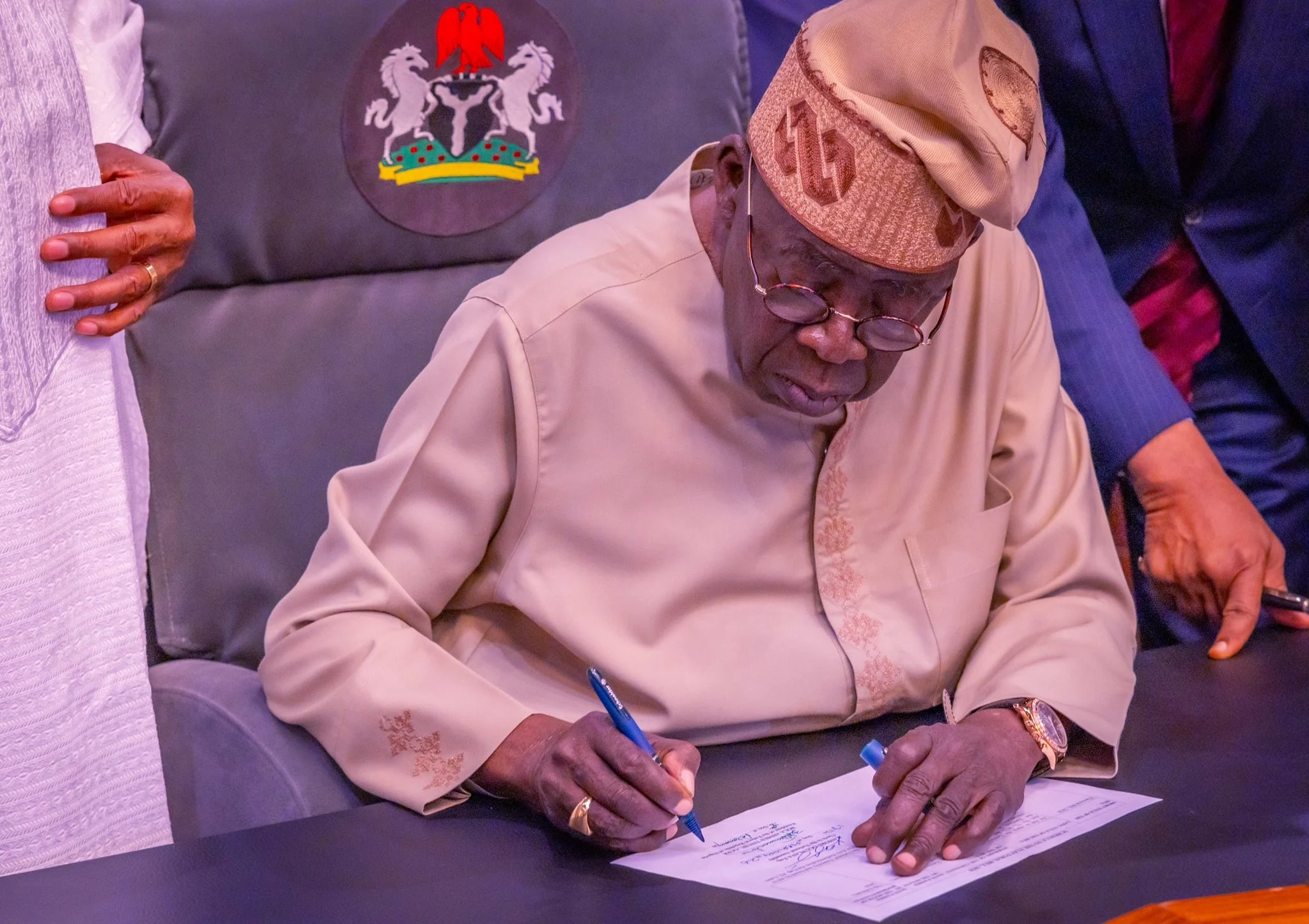
President Bola Tinubu has approved a debt settlement plan aimed at addressing long-standing financial obligations in Nigeria’s power sector, in a move expected to improve electricity generation and restore confidence across the industry.
The approval is part of the Presidential Power Sector Financial Reforms Programme, which is designed to tackle liquidity problems that have affected the electricity value chain for years.
According to the Federal Government, the debts accumulated over a ten-year period and have continued to weigh heavily on the sector, affecting power generation, gas supply, and overall service delivery. Following a review and verification process, the government has now agreed on a final settlement figure of **N3.3 trillion** to resolve the legacy debt.
Authorities say implementation of the repayment plan has already commenced, with several power generation companies signing settlement agreements worth **N2.3 trillion**. The government also disclosed that it has raised **N501 billion** to kick-start the process, while **N223 billion** has already been disbursed as part of the first phase of payments.
The intervention is expected to provide immediate relief to key players in the power value chain, particularly electricity generation companies and gas suppliers, whose operations have been severely affected by years of unpaid obligations.
Government officials say the debt repayment is expected to help stabilise electricity generation by ensuring that power plants receive the financial support needed to continue operations. They also noted that improved liquidity in the sector would help boost reliability of electricity supply and encourage fresh investment.
The administration said the debt settlement is not only about clearing old financial obligations, but also about rebuilding trust and creating a stronger foundation for reforms already underway in the power sector.
Part of the broader reform agenda includes efforts to improve metering, strengthen service delivery, and align electricity tariffs more closely with the quality of supply received by consumers. The government also said priority is being placed on improving electricity access for businesses, industries, and small enterprises, given the critical role of power in driving economic growth and job creation.
Officials say the overall objective is to build a more efficient and sustainable electricity system that can better serve homes, businesses, and productive sectors of the economy.
President Tinubu also commended stakeholders involved in efforts to resolve the long-standing challenges in the sector and confirmed that the next phase of the reform programme will begin later this quarter.
The debt crisis in the electricity industry has remained one of the major obstacles to stable power supply in Nigeria, with generation companies repeatedly warning that mounting unpaid invoices have made it difficult to sustain operations.
Industry experts have long argued that unless the liquidity challenge is properly addressed, efforts to improve electricity supply across the country would remain limited.
With the latest intervention, expectations are now high that the sector may begin to witness gradual improvement, especially if the repayment plan is fully implemented and accompanied by wider structural reforms.
While many Nigerians may not see immediate changes overnight, the government says the move is a critical step toward building a more reliable and functional power sector.





Post comments (0)