At least six people have been injured after missiles and drone debris struck a residential area in northern Kuwait on Monday, raising fresh fears over the growing regional conflict in the Gulf.
Authorities in Kuwait confirmed that the victims sustained varying degrees of injuries following the incident, which reportedly occurred after the country’s air defence systems engaged multiple incoming aerial threats.
Residents in parts of northern Kuwait were thrown into panic as loud explosions were heard in the early hours, with several people rushing out of their homes amid confusion and fear. Emergency response teams were quickly deployed to the affected area, where debris from intercepted missiles and drones reportedly fell into a populated neighbourhood.
Medical personnel and first responders arrived at the scene shortly after the incident to attend to the injured and assess the level of damage. While no fatalities were immediately reported, the attack has intensified concerns about the safety of civilians in Gulf countries increasingly caught in the fallout of the wider Middle East conflict.
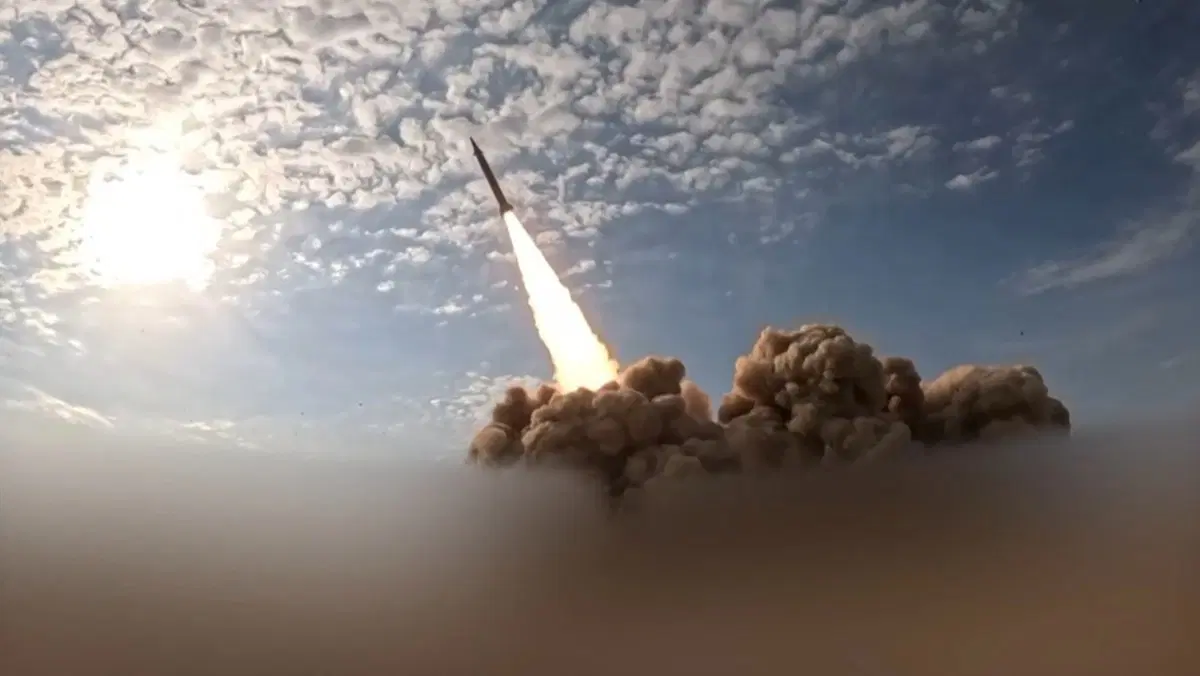
Kuwaiti military authorities had earlier announced that the nation’s air defence units were actively responding to incoming missiles and drones believed to have been launched as part of the ongoing hostilities in the region. The interception effort, while preventing a potentially more devastating strike, still resulted in dangerous fragments and projectiles landing in civilian areas.
The latest development marks another troubling moment for Kuwait and other Gulf states, many of which have found themselves under heightened security threat as tensions between Iran, the United States, and Israel continue to escalate.
The conflict, which has steadily intensified in recent months, has transformed parts of the Gulf into a zone of military alert, with countries in the region strengthening surveillance, missile defence systems, and emergency preparedness measures in response to repeated threats from the air.
Kuwait, though not a direct party to the conflict, has increasingly been affected by the broader regional instability. As a strategically located Gulf nation with longstanding defence and diplomatic ties in the region, it has remained on high alert amid fears that the confrontation between major powers could spill further across borders.
The overnight attacks from Sunday into Monday are said to be part of a broader wave of retaliatory strikes linked to the ongoing regional war. Security analysts say Gulf states are now facing a difficult balancing act — attempting to maintain internal stability while avoiding deeper involvement in a rapidly widening conflict.
Iran has repeatedly alleged that some neighbouring countries are allowing their territories or military facilities to be used by foreign forces involved in attacks against it. However, Gulf governments have consistently rejected those accusations, insisting that they are not participating in offensive operations and are instead focused on protecting their sovereignty and citizens.
The incident in northern Kuwait has once again brought the human cost of the regional crisis into sharp focus, especially for ordinary civilians living far from active battlefronts but still vulnerable to the consequences of missile warfare and aerial retaliation.
Residents in the affected area have been urged to remain calm and follow all civil defence instructions, while security and health officials continue to monitor the situation closely. Authorities are also expected to carry out further assessments of the impact zone and strengthen protective measures to prevent additional casualties should attacks continue.
As tensions remain high across the Gulf, many observers fear that without urgent diplomatic intervention, more civilian communities could find themselves exposed to the dangers of an increasingly unpredictable and expanding regional conflict.




Post comments (0)