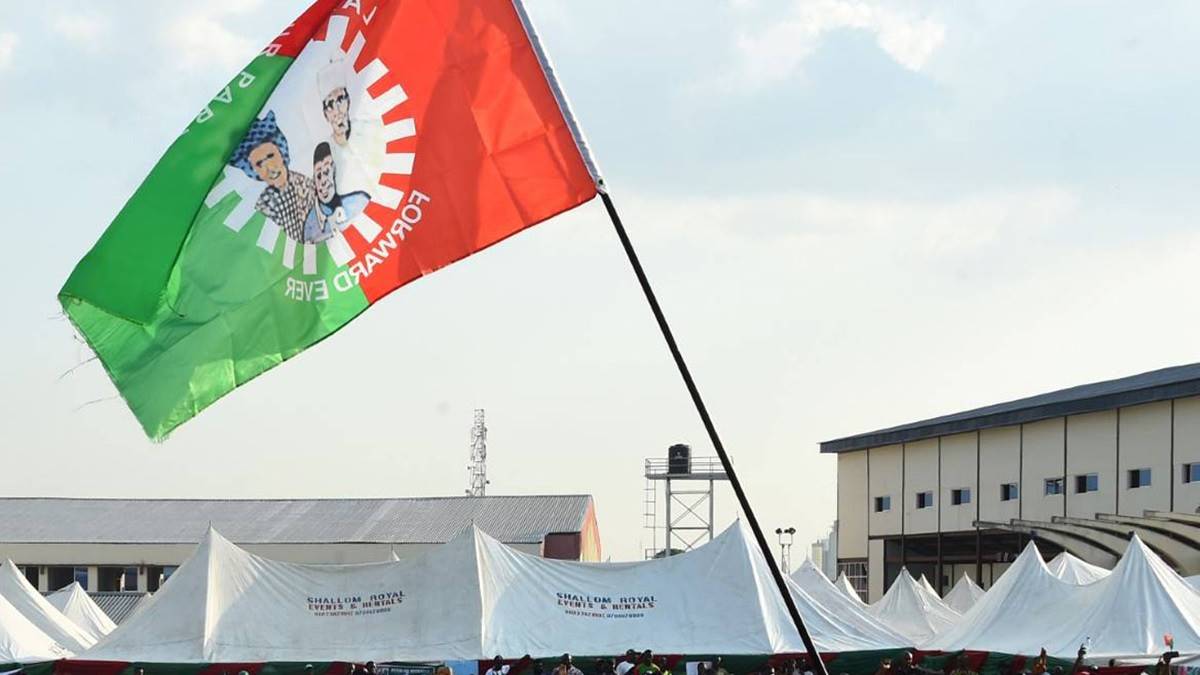
The Labour Party has officially fixed April 28, 2026, for its presidential primary, as part of a broader internal electoral timetable that will also see the party conduct its ward, local government, and state congresses ahead of its national convention.
The schedule, which marks a significant step in the party’s preparations for the next phase of its internal political activities, outlines a four-day sequence of congresses and convention events designed to reorganise and strengthen the party’s structures across the country.
Under the approved timetable, ward congresses are to hold on April 23, followed by Local Government Area congresses on April 24, and state congresses on April 25. The process will then culminate in the party’s National Convention and presidential primary on April 28.
The National Convention is expected to take place at the International Conference Centre, Umuahia, Abia State, where party delegates, officials, and stakeholders from across the federation are expected to converge for the crucial gathering.
The development signals a major organisational move by the Labour Party as it seeks to consolidate its internal structures and prepare for future electoral contests through a formal democratic process.
The party leadership said the timetable had already been formally communicated to the Independent National Electoral Commission (INEC) in line with the requirements of the law.
The notice to the electoral body was signed by the party’s Interim National Chairman, Senator Nenadi Usman, who explained that the communication was meant to formally notify the commission of the party’s approved schedule of activities for its 2026 elective congresses and national convention.
According to the party, the notification was made in compliance with the relevant provisions of the Electoral Act, 2022 (as amended), as well as the applicable regulations and constitutional guidelines governing the operations of political parties in Nigeria.
The party leadership stressed that the law requires political parties to duly notify the electoral commission of congresses, conventions, and other statutory meetings, especially where such events involve leadership selection, delegate emergence, or the nomination of candidates for elective offices.
By setting out a clear and structured calendar, the Labour Party appears determined to present an image of readiness, internal order, and constitutional compliance as it prepares for one of the most important stages in its political reorganisation.
The congresses are expected to serve as a foundation for rebuilding and validating the party’s structures from the grassroots upward, beginning from the ward level and progressing through local government and state levels before reaching the national stage.
This process is particularly important because the ward, LGA, and state congresses are likely to shape the composition of party leadership structures and determine the delegate base that will participate in the National Convention and presidential primary.
Political observers say the sequence of activities suggests that the party is seeking to ensure that its presidential primary emerges from a structured and internally legitimised process rather than a hurried or fragmented exercise.
The presidential primary scheduled for April 28 is expected to attract national attention, especially as it will likely define the party’s direction and political outlook ahead of the next general election cycle.
Although the party has yet to publicly unveil the full details of aspirant participation, nomination framework, or delegate accreditation, the announcement of the timetable alone has already set the stage for heightened political activity within the party.
It is also expected that the congresses will test the strength of the party’s organisational capacity in various states and reveal the level of cohesion within its rank and file following recent internal developments.
The Labour Party leadership also indicated that the newly approved schedule followed an earlier adjustment to its calendar.
According to the party, some previously planned activities had been postponed to allow for broader participation by members and stakeholders across the country.
That postponement, party officials suggested, was aimed at ensuring a more inclusive process and giving more members the opportunity to fully participate in the internal democratic exercise.
By rescheduling the activities and presenting a fresh timeline, the party appears to be positioning itself for a more coordinated and widely accepted internal process.
The leadership further urged the electoral commission to notify its various state offices and relevant monitoring teams in order to ensure effective supervision of the congresses and convention in line with its constitutional and statutory responsibilities.
This is expected to enable the commission’s officials to observe the conduct of the party’s internal elections at different levels and ensure compliance with electoral rules and party procedures.
The decision to hold the National Convention in Umuahia, the capital of Abia State, is also being viewed as symbolically significant, given the party’s recent political visibility in the South-East and its efforts to maintain a national outlook while preserving strong regional support.
For party faithful and observers, the coming days are likely to be decisive in determining not just who emerges as the Labour Party’s presidential candidate, but also how cohesive, disciplined, and strategically prepared the party is ahead of future national political contests.
As the dates draw closer, attention is expected to shift to issues such as delegate mobilisation, consensus building, aspirant declarations, zoning considerations, and possible alliances within the party.
The congresses and convention are also likely to shape the party’s broader political narrative, especially in terms of how it presents itself to supporters, undecided voters, and the wider Nigerian political space.
With the presidential primary now officially fixed and the timetable laid out, the Labour Party has effectively entered a crucial phase of political activity — one that could define its internal leadership structure, sharpen its electoral strategy, and influence its role in the country’s evolving political landscape.
All eyes will now be on the party’s ability to successfully conduct the congresses and convention in a manner that reflects transparency, order, and internal democratic credibility.



Post comments (0)