The Spanish government and the Catholic Church have signed an agreement to compensate victims of sexual abuse by clergy in cases that can no longer be pursued in court.
The agreement comes ahead of Pope Leo XIV’s scheduled visit to Spain from June 6 to 12, which will be the first papal visit to the country since 2011.
Justice Minister Felix Bolanos said the arrangement is intended to support victims who are unable to seek legal redress because the cases are now time-barred or because the accused persons have died.
Speaking after the signing ceremony in Madrid, Bolanos described the development as “a day of justice” for the thousands of victims who, according to him, suffered abuse within the Catholic Church and were left without support for years.
Under the new arrangement, compensation will be assessed individually on a case-by-case basis rather than through a fixed compensation structure.
The process will involve representatives of the Spanish government, the Catholic Church and Spain’s ombudsman, while the state will retain final authority over compensation decisions.
The Catholic Church will bear responsibility for paying the compensation awarded to victims.
Bolanos said the model is a groundbreaking one, noting that it combines state oversight with direct responsibility on the part of the Church to provide reparations.
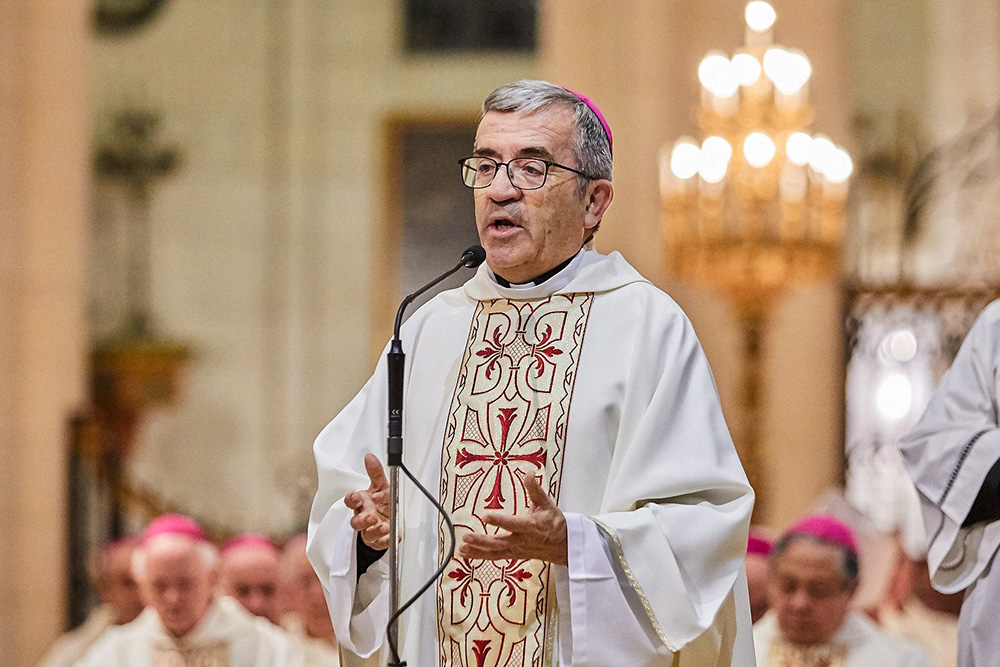
President of the Spanish Episcopal Conference, Luis Arguello, described the agreement as a gesture of responsibility by the Church.
He said that although the cases involved are either legally expired or concern deceased accused persons, the Church still wants to acknowledge its responsibility.
The agreement follows years of growing scrutiny over clerical abuse in Spain.
A 2023 report by Spain’s ombudsman found that more than 200,000 minors may have suffered sexual abuse by Roman Catholic clergy since 1940.
The figure could rise to as many as 400,000 if abuse by laypersons in religious settings is also included.
Meanwhile, the Church’s own records show 1,057 registered cases, with 358 considered proven or credible.





Post comments (0)