Israel and Iran exchanged fresh missile fire on Monday, heightening fears of a wider Middle East conflict and sending global oil prices sharply higher.
Concerns intensified over possible direct United States military involvement, especially after reports suggested Washington may be considering a ground operation targeting Iran’s Gulf islands.
Iran also launched new strikes on a water desalination facility in Kuwait, following attacks over the weekend on its own electrical infrastructure that caused power outages in parts of Tehran.
Saudi Arabia said it intercepted five ballistic missiles as the conflict continued to spill across the region.
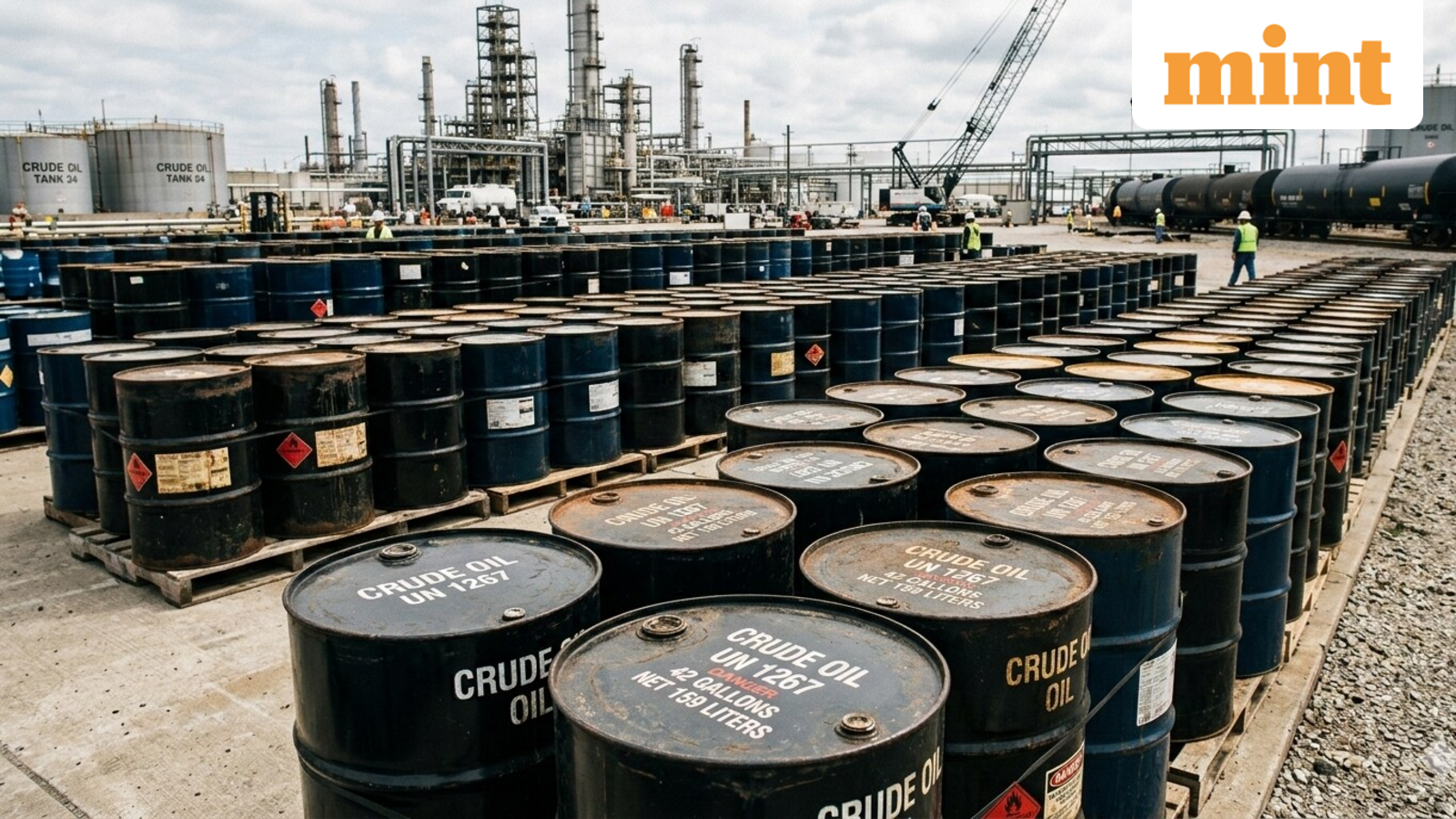
The war is already taking a heavy toll on the global economy, with fuel shortages reported in parts of Asia, stock markets unsettled, and crude oil prices climbing steeply.
The main U.S. oil benchmark rose above 100 dollars per barrel, while Brent crude also jumped significantly and traded close to 117 dollars per barrel.
Analysts warned that any direct U.S. ground operation or a broader Iranian response could drive oil prices to unprecedented levels.
Energy analyst Tamas Varga said if the United States were to invade Iran or if Tehran escalates retaliatory attacks on energy infrastructure or fully closes the Strait of Hormuz, oil prices could rise as high as 200 dollars per barrel.
Oil has never traded above 150 dollars per barrel, a level last seen during the 2008 commodity boom, but prices have surged dramatically since the conflict began.
Brent crude has risen by nearly 60 percent since the start of the war, while U.S. benchmark WTI has climbed by more than half.
U.S. President Donald Trump has also stirred concerns after saying he wants to “take the oil in Iran” and suggesting the U.S. could seize Iran’s key export hub, Kharg Island.
Despite the strong rhetoric, Trump said he still believes a negotiated end to the conflict could be reached soon, as regional foreign ministers gathered in Pakistan for talks aimed at easing tensions.
Meanwhile, Israel expanded its offensive against Iran-backed Hezbollah in southern Lebanon.
A Lebanese official said an army checkpoint was hit, leaving at least one Lebanese soldier dead.
Indonesia also confirmed on Monday that one of its peacekeepers was killed after a projectile struck a United Nations position in southern Lebanon.



Post comments (0)