Nigeria is losing an estimated N40 trillion annually as a result of poor electricity supply, according to the Nigerian Independent System Operator (NISO), which says the country’s persistent power crisis remains one of the biggest obstacles to economic growth, industrial productivity, and job creation.
The operator warned that unreliable electricity continues to impose enormous financial and operational burdens on businesses, manufacturers, and households across the country, many of which are forced to rely heavily on self-generation through diesel and petrol-powered generators to stay afloat.
According to the organisation, the scale of the losses underscores the urgent need to treat reliable electricity supply as a national economic priority. It stated that power outages cost Nigeria as much as $29 billion every year, a figure that translates to roughly N40.1 trillion when converted at the prevailing exchange rate of N1,385 to one dollar.
The agency said the impact of unstable electricity extends far beyond inconvenience, noting that the country’s weak power system continues to affect productivity, discourage investment, raise production costs, and reduce the competitiveness of Nigerian businesses.
In its latest assessment of the power sector, the system operator stressed that access to stable and dependable electricity is critical to the future of the Nigerian economy. It maintained that a more reliable national grid would unlock substantial economic opportunities, improve industrial output, enhance business efficiency, and create more jobs across multiple sectors.
NISO noted that despite the country’s huge electricity demand and significant generation potential, Nigeria still struggles to deliver enough power to consumers because of longstanding structural weaknesses in the electricity value chain.
The operator disclosed that Nigeria generates approximately 45,000 to 50,000 megawatts of electricity daily, but only about 5,000 megawatts is eventually taken onto the national grid for distribution to consumers. This means that only around 10 per cent of the electricity generated is effectively transmitted through the grid, leaving a massive gap between what is produced and what ultimately reaches homes, offices, and factories.
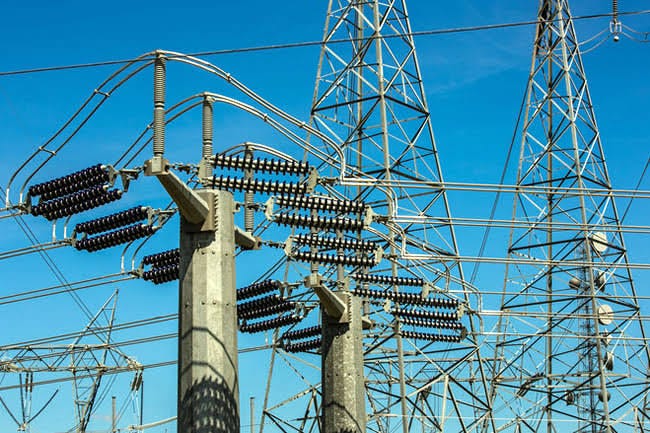
According to the organisation, this mismatch reflects deep-rooted inefficiencies and infrastructure challenges across the sector. It identified key bottlenecks as transmission capacity limitations, distribution network weaknesses, and gas supply disruptions, all of which continue to prevent the country from delivering sufficient electricity to end-users.
The operator said the consequences of these constraints are severe, especially in a country where electricity demand remains far higher than available supply. It noted that many businesses have had to build parallel power arrangements to survive, spending billions of naira every year on fuel, generators, maintenance, and alternative energy systems.
For manufacturers and large industrial operators, the cost of self-generation has become a major drag on profitability and expansion. For small businesses, it has translated into reduced operating hours, lower output, and in some cases complete closure. Households, meanwhile, continue to bear the burden through higher living costs, damaged appliances, and reduced quality of life.
NISO said its core mandate is to improve grid reliability, strengthen accountability, and support more effective coordination across the electricity supply chain. As part of that responsibility, the operator said it is focused on enforcing the national grid code, improving system dispatch and reliability, increasing transparency in grid operations, and enhancing coordination among generation, transmission, and distribution stakeholders.
The organisation emphasised that reforms in the sector can no longer be delayed, warning that Nigeria’s economic future is closely tied to its ability to build a more stable and efficient power system.
Speaking on the challenge, the Chairman of the NISO Board, Adesegun Akin-Olugbade, stressed that the technical solutions required to fix the sector are neither mysterious nor impossible. He argued that while the power crisis has persisted for decades, many of the solutions are well known and achievable if there is discipline, coordination, and sustained implementation.
To improve the sector, the system operator recommended a combination of urgent and long-term measures, including digitalisation of the national grid, infrastructure strengthening, energy diversification, and stricter enforcement of operational and regulatory standards.
It said modernising the grid through digital systems would significantly improve visibility, planning, control, and response time, especially during periods of instability or supply fluctuation. Better digital tools, it noted, would allow grid managers to monitor system performance in real time, make faster decisions, and improve overall grid stability.
The organisation also highlighted some of the progress recorded since its establishment, pointing to ongoing investments and operational improvements within the transmission segment of the power sector.
According to NISO, between 2024 and 2025, a total of 82 new power transformers were commissioned, while more than 8,500 MVA of additional transformer capacity was added to the network. It also stated that over 30 transmission projects were completed during the period as part of efforts to strengthen the national grid and improve electricity evacuation capacity.
The operator further disclosed that the grid’s current wheeling capacity has risen to approximately 8,700 megawatts, reflecting incremental improvements in transmission infrastructure.
It also cited some operational milestones recorded in recent years as evidence that the system is capable of better performance under favourable conditions. These include an all-time peak generation of 5,802 megawatts in March 2025, a record daily energy delivery of 129,370 megawatt-hours, and a period of 421 consecutive days without grid collapse between 2022 and 2023.
According to the agency, these achievements demonstrate that the national grid can perform more effectively when critical conditions such as gas availability, transmission stability, and coordinated load management are in place.
NISO also pointed to ongoing work under the SCADA/EMS grid digitalisation programme, describing it as a major step toward improving monitoring, communication, and system control.
The operator said about $1.16 billion has been invested in the digitalisation effort so far, with over 3,000 kilometres of fibre optic network already deployed and more than 100 substations equipped with SCADA technology. It added that the project has reached approximately 69 per cent completion.
According to the agency, the digitalisation programme is expected to improve real-time monitoring across the network, allowing operators to detect faults faster, coordinate responses more efficiently, and manage the grid with greater precision.
Despite these gains, the operator maintained that the most urgent challenge remains the need to bridge the gap between electricity generation and actual delivery to consumers. It reiterated that while Nigeria generates far more power than many citizens eventually receive, limitations in transmission, distribution, and gas supply continue to prevent the system from functioning at the level required by the economy.
This warning comes at a time when Nigerians are still grappling with widespread blackouts and declining supply across many parts of the country. In recent months, consumers have faced worsening electricity shortages, with many communities receiving little or no supply for prolonged periods.
Available system data has shown that electricity generation has recently fallen well below 4,000 megawatts, further worsening pressure on the already fragile grid and reducing the amount of power available to distribution companies.
As of March 25, 2026, only about 2,908 megawatts was allocated across the country’s 11 distribution companies, highlighting the scale of the supply shortfall currently affecting the sector.
The low allocation has continued to fuel public frustration, especially as several distribution companies have repeatedly issued apologies to customers over poor supply and prolonged outages. Many of them have attributed the situation to reduced generation linked to gas constraints and limited available load from the national grid.
The current power difficulties have also drawn attention from the Federal Government, with the Minister of Power, Adebayo Adelabu, recently acknowledging the disruptions and apologising to Nigerians over the persistent blackouts.
According to the minister, the current supply crisis is being worsened by gas constraints affecting about 75 per cent of Nigeria’s gas-fired power plants. He explained that the country’s electricity generation is highly dependent on gas, and that any disruption in gas availability has a direct and immediate impact on power supply.
He identified several factors behind the present situation, including global gas shortages linked to tensions in the Middle East, domestic supply obligations, outstanding payments owed to gas suppliers, and pipeline maintenance and repairs. These issues, he said, have combined to reduce generation output and deepen the supply challenges being experienced nationwide.
With power supply still unstable and demand continuing to rise, the latest warning from NISO has once again brought into focus the enormous economic cost of Nigeria’s electricity crisis.
For businesses, industries, and households alike, the message is clear: until the country closes the gap between power generation and actual delivery, Nigeria will continue to lose trillions of naira annually to a problem that has remained unresolved for far too long.




Post comments (0)