Experts and civil society groups are divided over growing calls for President Bola Ahmed Tinubu’s administration to introduce palliatives or restore fuel subsidies in response to the sharp rise in petrol prices caused by increasing global crude oil costs.
The surge in oil prices followed the 24-day conflict involving Iran, the United States, and Israel, which disrupted global energy markets and pushed crude prices above $100 per barrel, well above Nigeria’s 2026 budget benchmark of $64 per barrel.
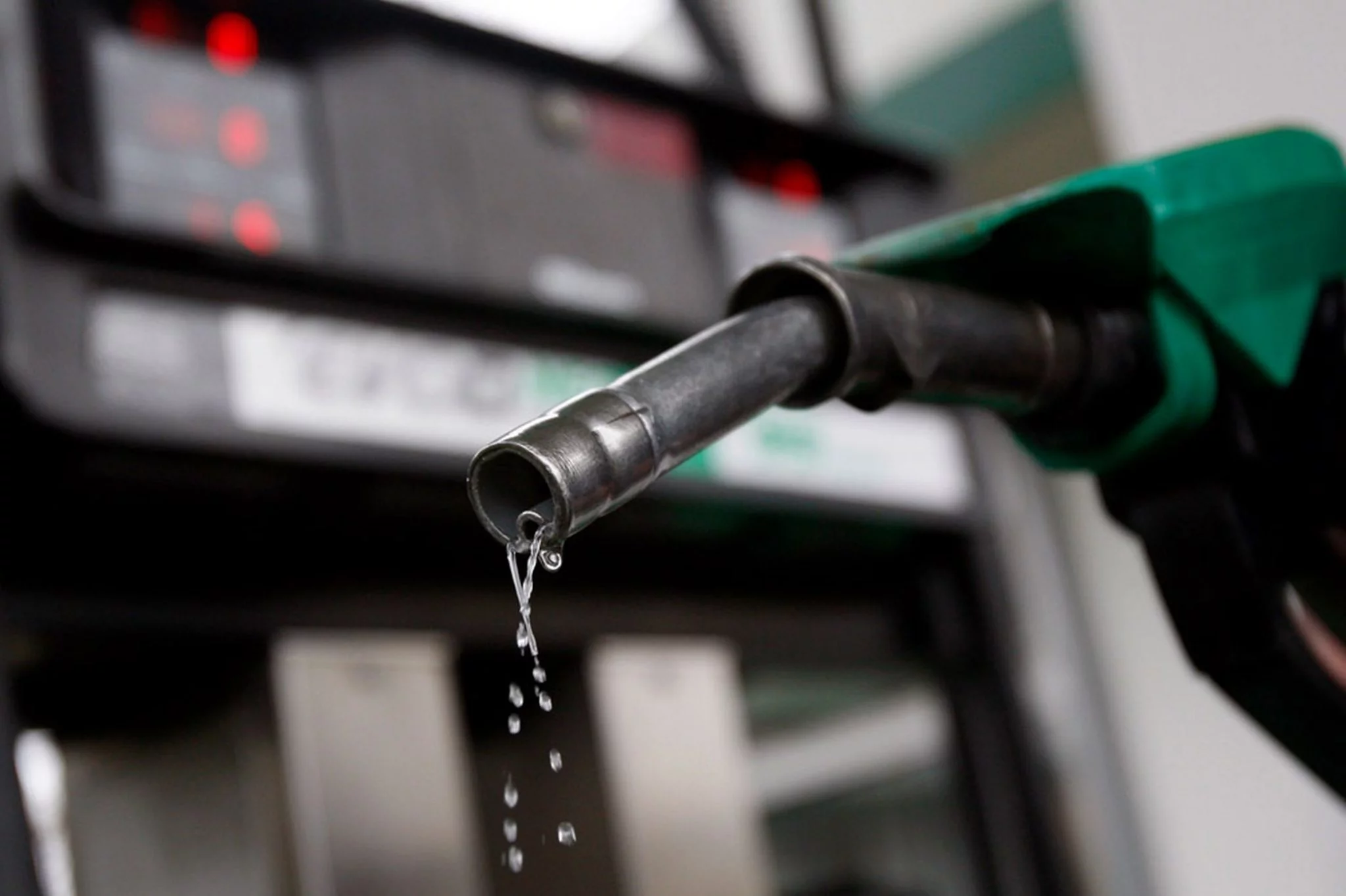
Although the development has increased Nigeria’s oil revenue in recent weeks, it has also deepened economic hardship at home. Petrol prices have risen by about N492, representing a 56 percent increase, moving to between N1,367 and N1,390 per litre as of Monday, March 23, 2026, from N875 before February 28.
The increase has led to higher transport fares and food prices, further weakening the purchasing power of millions of Nigerians, especially workers earning the N70,000 minimum wage.
As hardship intensifies, several stakeholders have urged the Federal Government to introduce relief measures to address the growing cost-of-living crisis.
The Centre for the Promotion of Private Enterprises called on the government to adopt a coordinated policy framework to prevent energy-induced inflation. Its Chief Executive Officer, Muda Yusuf, warned that the Middle East crisis could reverse Nigeria’s disinflation trend, which stood at 15.06 percent in February.
Similarly, Nigeria Labour Congress President Joe Ajaero said the government should not wait for industrial action before stepping in.
He argued that with the government benefiting from increased oil revenues and a benchmark that has effectively doubled, part of the gains should be used to cushion the effect on citizens.
At the state level, the Oyo State Government recently approved a N10,000 wage allowance for civil servants to help ease the burden of rising fuel costs.
However, experts remain divided on the best response to the situation.
A professor emeritus of petroleum economics, Wumi Iledare, rejected calls for the return of fuel subsidy, describing such demands as misguided and economically unsustainable.
According to him, consumer fuel subsidies often create market inefficiencies and result in major welfare losses. He noted that past subsidy regimes diverted resources away from critical sectors such as healthcare, education, infrastructure, and power.
He argued that evidence from the last two to three decades shows that fuel subsidies frequently crowd out vital public investments, making a return to the policy difficult to justify.
Instead, he recommended targeted social interventions, stronger governance in the energy sector, and strategic use of oil windfalls to build economic resilience.
He also proposed measures such as granting crude oil discounts to local refineries, including the Dangote Refinery, and removing import duties or Value Added Tax on petrol products to reduce costs.
On the other hand, the Executive Director of the Civil Society Legislative Advocacy Centre and Transparency International Nigeria, Auwal Rafsanjani, called for urgent pro-people policies to address the hardship.
He said Nigerian leaders must put in place relief measures to ease the suffering of citizens across all sectors.
Rafsanjani criticized what he described as the absence of sympathetic and pro-poor policies, warning that conditions could deteriorate further without urgent action.
He argued that the gains from subsidy removal have not translated into meaningful relief for Nigerians and suggested that political calculations ahead of elections may be taking priority over governance.
Describing the situation as a growing disconnect between leaders and the people, he stressed the need for inclusive policies that place the welfare of ordinary Nigerians at the centre of governance.




Post comments (0)