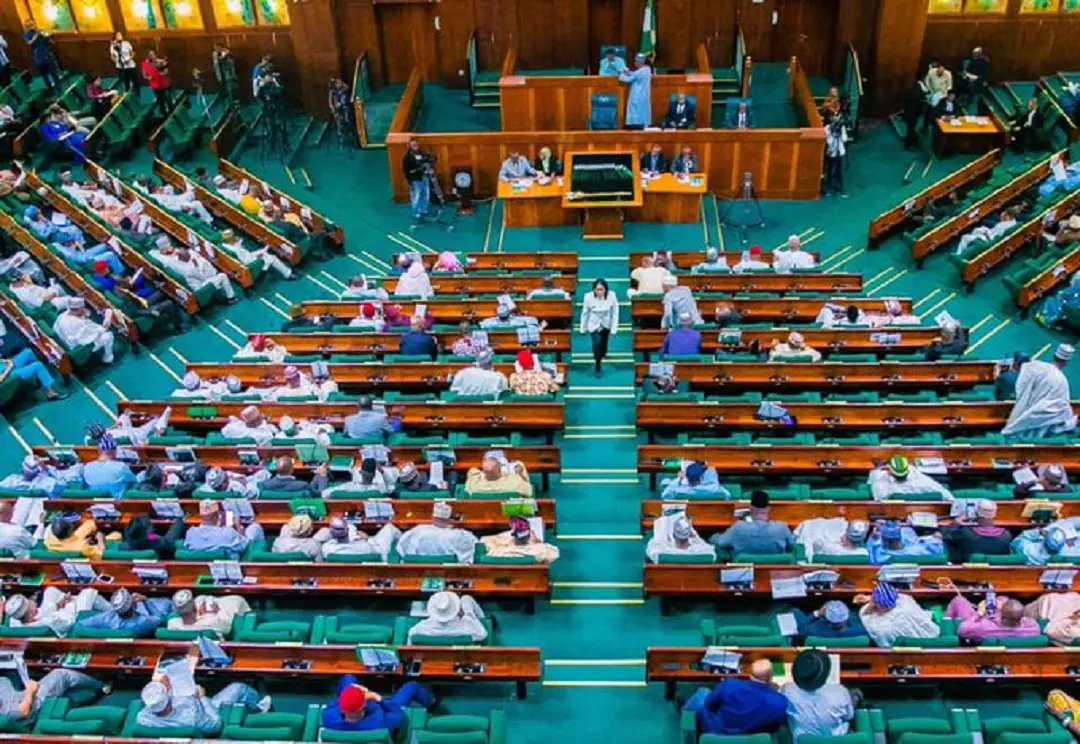
A fresh amendment to Nigeria’s 2026 Electoral Act has stirred intense debate across the political landscape, particularly following a proposal by the House of Representatives to impose strict penalties on individuals who belong to more than one political party simultaneously. The amendment prescribes a fine of ₦10 million, a maximum prison term of two years, or both, for offenders, alongside the forfeiture of their membership in all affected political parties.
The move has generated widespread reactions from lawmakers, legal experts, and political stakeholders, many of whom are questioning both its constitutionality and its broader implications for Nigeria’s democratic process. At the heart of the controversy is whether the amendment aligns with the principle of a level playing field—widely regarded as essential for ensuring free, fair, and credible elections ahead of the 2027 general polls.
The amendment introduces new provisions to Section 77 of the Electoral Act, specifically targeting political party membership. It explicitly prohibits individuals from being registered members of more than one political party at the same time. Where such dual membership is discovered, it is deemed invalid, and the individual loses recognition in all parties involved until proper regularisation is completed in line with the law and party constitutions.
Furthermore, the proposal criminalizes the act of knowingly maintaining dual party membership, elevating it from a procedural irregularity to a punishable offence. Proponents of the amendment argue that such a measure is necessary to maintain discipline, transparency, and ideological clarity within the political system. According to them, allowing individuals to belong to multiple parties undermines the integrity of party structures and could lead to manipulation or conflict of interest.
Supporters within the legislature have described dual party membership as deceptive and inconsistent with democratic norms. They maintain that political affiliation should reflect a clear ideological commitment, rather than opportunistic alignment with multiple platforms. From this perspective, the amendment is seen as a step toward strengthening party identity and accountability.
However, opposition to the amendment has been equally strong and vocal. Critics argue that the proposal directly conflicts with Section 40 of the 1999 Constitution of the Federal Republic of Nigeria, which guarantees citizens the right to freedom of association. They contend that the Constitution does not explicitly prohibit membership in multiple political organizations, even though it requires candidates to be sponsored by only one party during elections.
Legal analysts and some lawmakers have warned that criminalizing dual membership may amount to an infringement on fundamental rights. They argue that while electoral laws can regulate political processes, they must not override constitutional protections. According to this line of reasoning, the amendment risks being struck down in court if challenged, due to its apparent inconsistency with constitutional provisions.
Prominent political figures have also weighed in, expressing concern that the amendment could be used as a tool to stifle political dissent or limit the flexibility of political engagement. Critics suggest that the timing and nature of the proposal raise questions about the motives behind it, especially in a climate marked by shifting political alliances and internal party tensions.
Some observers believe the amendment reflects deeper anxieties within the political establishment, particularly regarding potential defections and realignments ahead of future elections. They argue that increasing economic challenges and security concerns have contributed to growing dissatisfaction among party members, which could lead to instability within major political parties, including the ruling All Progressives Congress under Bola Ahmed Tinubu.
From this perspective, the amendment is seen not just as a regulatory measure but as a strategic attempt to consolidate party control and prevent internal fragmentation. Critics describe it as a form of political self-preservation that may come at the expense of democratic freedoms.
The debate also touches on broader concerns about electoral credibility in Nigeria. Analysts emphasize that beyond legal provisions, the perception of fairness and inclusiveness is crucial to public trust in the electoral process. Any policy that appears to restrict political participation or favour certain actors could undermine confidence in the system.
As discussions continue, the amendment has become a focal point for examining the balance between legal regulation and constitutional rights. While its supporters insist it will promote order and accountability, opponents warn that it could erode fundamental freedoms and set a troubling precedent.
Ultimately, the fate of the amendment may depend on further legislative scrutiny, possible judicial interpretation, and the broader political will to uphold democratic principles. The controversy it has generated underscores the ongoing tension between governance, lawmaking, and the protection of civil liberties in Nigeria’s evolving democracy.



Post comments (0)