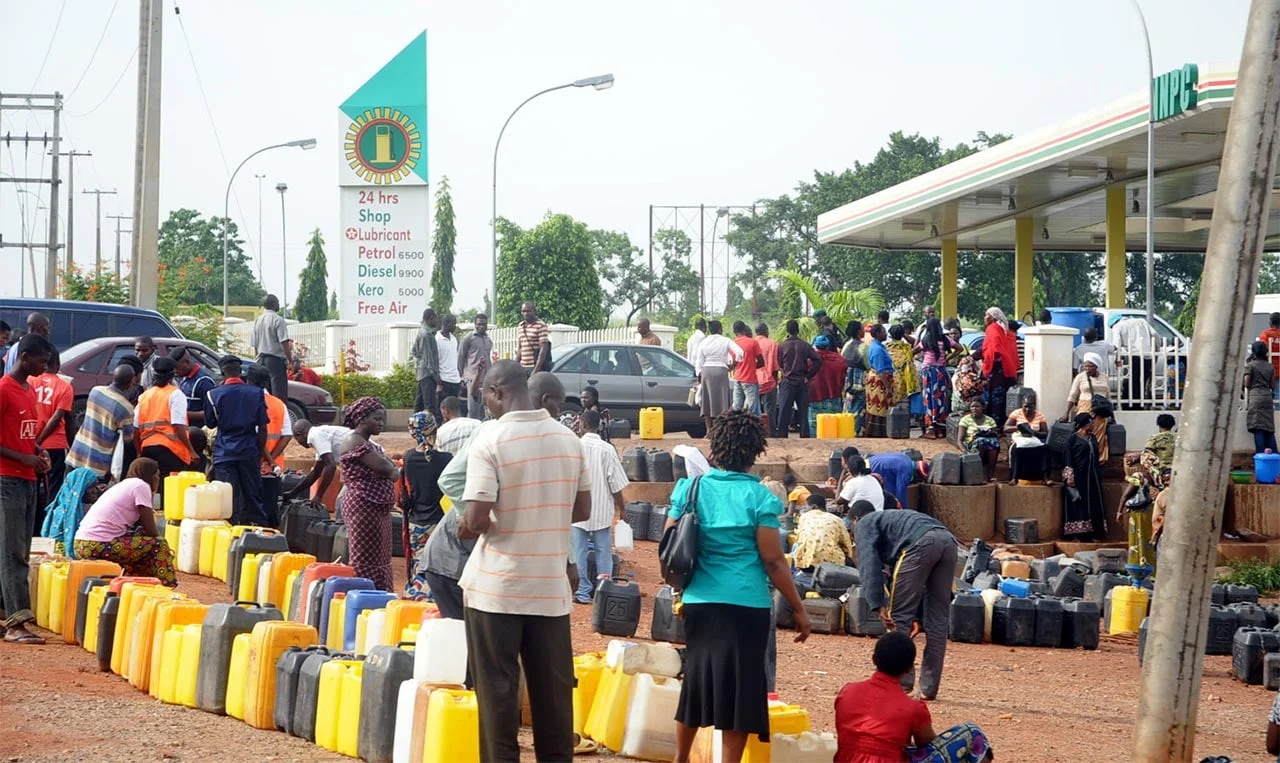
Nigerians are facing increased economic pressure following a fresh hike in the price of Premium Motor Spirit (PMS), commonly known as petrol. Oil marketers have raised the pump price of petrol to about N1,300 per litre, up from approximately N1,050 per litre, representing an increase of roughly 24 per cent.
The development comes amid a steady rise in crude oil prices in the international market, which recently climbed to about $110 per barrel, largely influenced by ongoing tensions in the Middle East. The surge in crude prices has had a direct impact on the cost of refined petroleum products, leading to higher prices across retail outlets in the country.
Diesel prices have also witnessed a significant increase. The pump price of Automotive Gas Oil (AGO), widely used by transporters, businesses, and industries, rose to about N1,380 per litre at some filling stations, compared to around N1,100 per litre previously. At some major retail outlets, diesel was sold at as much as N1,680 per litre in parts of Lagos and surrounding areas.
In Ibadan and several neighbouring communities in Oyo State, petrol prices surged sharply, with many filling stations selling the product between N1,200 and N1,300 per litre. Prior to the latest adjustment, petrol had been sold in the area at between N1,020 and N1,080 per litre. The sharp rise has triggered concerns among residents and motorists who rely heavily on fuel for daily transportation and business activities.
Industry operators say the increase is largely driven by the rising cost of importing and distributing the product. The cost of lifting petrol from depots in Lagos has reportedly climbed to around N1,175 per litre, forcing marketers to adjust their pump prices to accommodate transportation expenses, logistics, and operational costs. As a result, prices often differ depending on the location, with communities farther away from major depots paying even higher rates.
The situation has also played out in the Federal Capital Territory, where petrol prices have risen dramatically within a short period. Retail outlets that previously sold petrol for less than N900 per litre about a week ago now dispense the product at over N1,300 per litre, reflecting multiple upward adjustments within days.
The sharp increase in fuel prices has already begun to affect transportation costs across several cities. Commuters have reported steep rises in fares on many routes as transport operators attempt to cope with higher fuel expenses. In some areas, transport fares have more than doubled within a week. Routes that previously cost about N800 now attract fares of around N1,500, while others that cost N500 have risen to as much as N1,000.
Energy analysts explain that fluctuations in crude oil prices often have an immediate effect on refined petroleum products. Because refinery profit margins are relatively small, even slight increases in crude prices can lead to noticeable changes in the final retail price of fuel. This means that as global oil prices continue to rise, local fuel prices are likely to follow the same trend.
Experts also note that the refining capacity available to the local market does not yet fully meet demand, forcing suppliers to source additional crude or refined products from international markets. This situation further exposes the domestic fuel market to global price volatility.
Although higher crude oil prices could ordinarily benefit an oil-producing country like Nigeria, the gains are often not directly felt by ordinary citizens. Instead, households and businesses tend to bear the burden through increased fuel costs, higher transportation fares, and rising prices of goods and services.
With fuel playing a critical role in powering transportation, logistics, and small businesses, the latest increase is expected to trigger a ripple effect across various sectors of the economy, further driving up the cost of living for many Nigerians.




Post comments (0)