
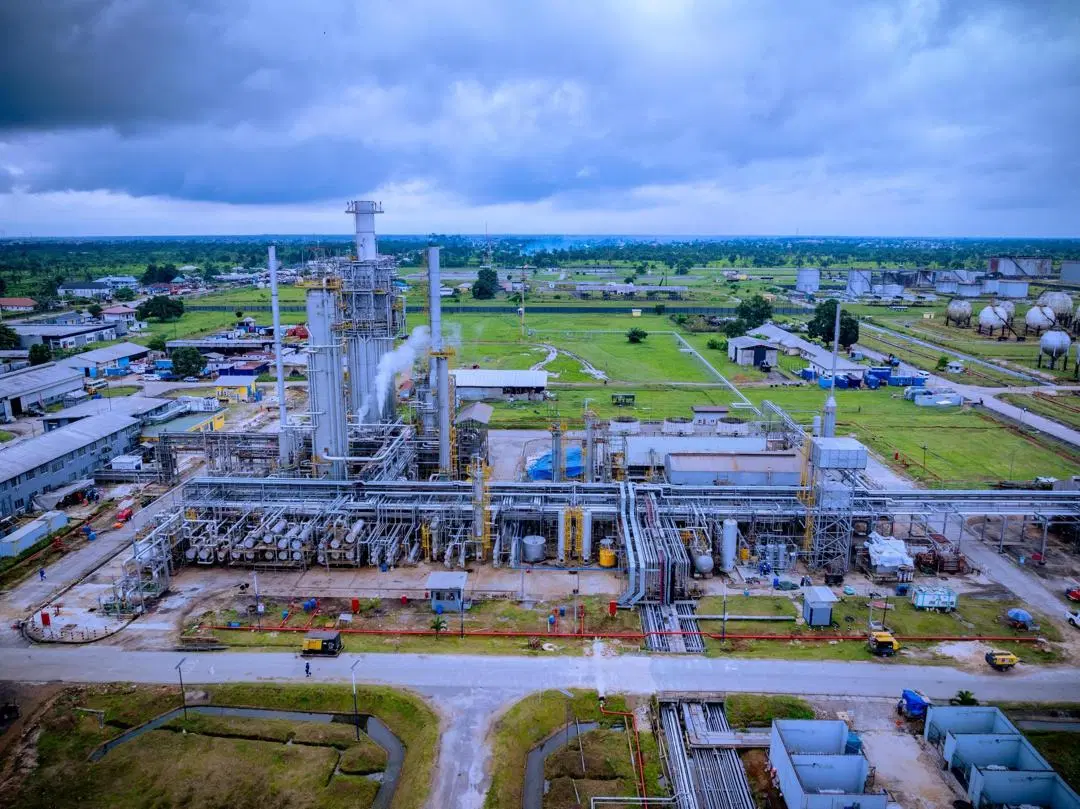
The Petroleum and Natural Gas Senior Staff Association of Nigeria (PENGASSAN) has said the old Port Harcourt Refinery has been rehabilitated to about 90 per cent and could resume operations within one week, pending approval from the Nigerian National Petroleum Company Limited (NNPC Ltd).
PENGASSAN President, Mr Festus Osifo, disclosed this during an interview on Channels Television’s The Morning Brief, stating that the refinery is technically ready to operate.
His comments come amid ongoing discussions about the future of Nigeria’s state-owned refineries, following recent remarks by NNPC Ltd’s Group Chief Executive Officer, Mr Bayo Ojulari, who questioned the economic viability of reopening the facility.
Osifo explained that the delay in restarting the refinery is not due to technical challenges but largely because of profitability concerns.
“As of today, you can start the old Port Harcourt refinery, and it will function. If they want to start it today, within the next week, they can bring it back to life. It has been rehabilitated up to about 90 per cent,” he said.
He noted that while the refinery is operationally ready, financial considerations remain critical, as the cost of processing crude oil may exceed the revenue generated from selling refined products.
“If you feed crude oil worth about five million dollars into the refinery, what you are likely to get from the sale of petroleum products may be about 4.5 million dollars,” he explained.
Despite the concerns about profitability, Osifo maintained that the rehabilitation exercise was not a waste of resources. He said key components of the refinery, including compressors, control systems, and panels, were replaced during the upgrade, significantly improving the facility’s asset value.
According to him, the rehabilitation has enhanced the refinery’s infrastructure and restored much of its operational capacity compared to its condition before the intervention.
The Port Harcourt Refinery is one of Nigeria’s major state-owned refining facilities, and its restart is considered important to reducing dependence on imported petroleum products and strengthening the country’s domestic refining capacity.




Post comments (0)