The Independent National Electoral Commission (INEC) has assured Nigerians of its preparedness for the 2027 General Election despite delays in the passage of the amended Electoral Act by the National Assembly.
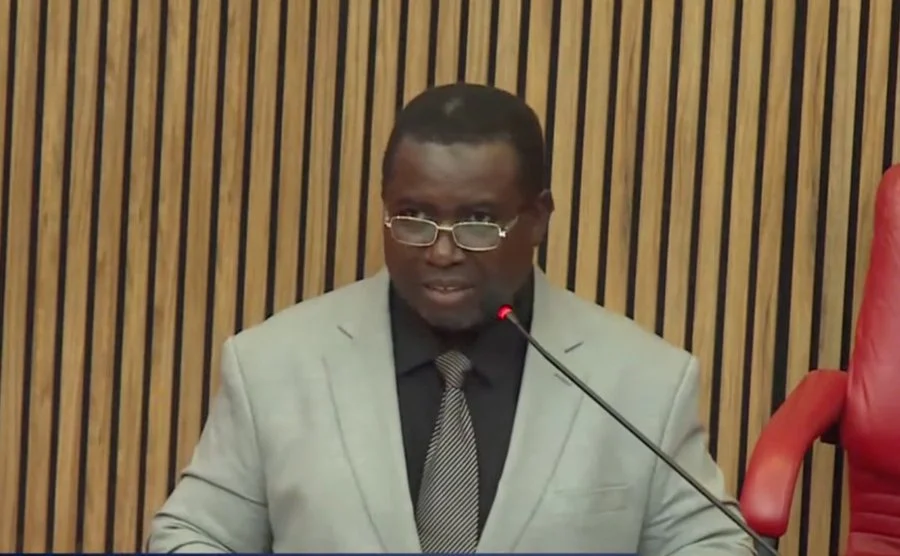
INEC Chairman, Prof. Joash Amupitan (SAN), gave the assurance during the commission’s first quarterly consultative meeting with Civil Society Organisations (CSOs) in Abuja.
He stated that the commission has already finalised its election timetable and schedule of activities based on existing legal provisions. However, he noted that the eventual passage of amendments to the Electoral Act could affect certain aspects of the election plan.
Amupitan explained that INEC has submitted recommendations to the National Assembly but would continue to operate within the current electoral law until any amendment is enacted.
The INEC chairman also urged CSOs to intensify efforts to mobilise residents of the Federal Capital Territory (FCT) to collect their Permanent Voter Cards (PVCs) ahead of the Area Council elections scheduled for February 21, 2026. He noted that the ongoing PVC distribution in the FCT would end on February 10, 2026, stressing the importance of ensuring eligible voters are not disenfranchised.
He further called on civil society groups to monitor political parties’ activities during campaigns and promote peaceful participation in the electoral process. He warned against hate speech, vote-buying, misinformation, and violence, urging political actors to operate within the law.
Providing updates on preparations for the FCT Area Council elections, Amupitan said the polls would involve 1,680,315 registered voters across 2,822 polling units in Abaji, Abuja Municipal Area Council (AMAC), Bwari, Gwagwalada, Kuje, and Kwali. He disclosed that 570 candidates would contest chairmanship, vice-chairmanship, and councillorship positions.
He added that INEC has distributed non-sensitive materials to area council offices, completed recruitment and training of ad hoc staff, and is configuring Bimodal Voter Accreditation System (BVAS) devices for voter accreditation and electronic transmission of results. Sensitive materials, he said, would be delivered a day before the election.
The commission also announced plans to conduct a mock accreditation exercise on February 7 across 289 selected polling units in the six area councils. Amupitan noted that 83 domestic and five international observer groups had been accredited to monitor the elections.
He further confirmed that bye-elections would be conducted on the same day in Ahoada East II and Khana II state constituencies in Rivers State, as well as in Kano Municipal and Ungogo state constituencies in Kano State.
In Rivers State, 41,085 registered voters are expected to participate in the Ahoada East II election across 87 polling units in six wards, while 71,865 voters will take part in the Khana II poll across 155 polling units in eight wards.
In Kano State, 330,228 registered voters will participate in the Kano Municipal constituency election across 630 polling units in 13 wards, while 205,418 voters are expected to vote in Ungogo constituency across 384 polling units in 11 wards. Ten political parties are participating in the bye-elections.
Looking ahead to the 2027 general polls, Amupitan called on the National Assembly to fast-track work on the Electoral Act amendment. He also announced plans for a nationwide voter revalidation exercise to strengthen the credibility of the voters’ register ahead of the election.



Post comments (0)